How to fertilize a plum tree? Planting methods and pruning time
How should plum trees be fertilized and pruned? Want to know? Let's take a look together.
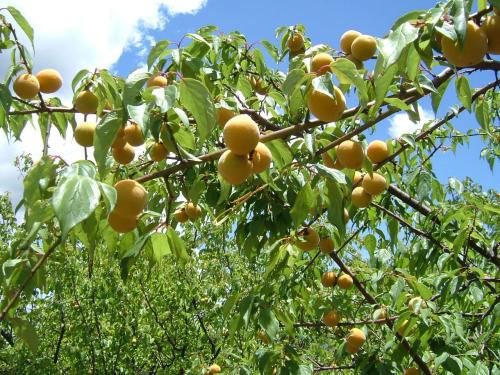
1. Generally, after a plum tree is planted, it is recommended that you apply organic fertilizer at least twice, and in between apply a small amount of chemical fertilizer as appropriate. If you do not want to use chemicals, you can also switch to organic fertilizer, but it is not very recommended that you apply compost containing poultry or livestock manure, because this type of compost generally contains a relatively high level of urea-form nitrogen, decomposes quickly, and moves quickly. If the timing of application is wrong, it is relatively difficult for the tree to flower and set fruit. As for the current condition of your plum tree, because the nutrition is relatively poor, the nutrients originally stored in the soil are already insufficient and imbalanced, thus causing it to be unable to flower normally due to the lack of nutrients. Therefore, it is recommended that this year (only this year) you first apply some commercially available organic fertilizer. If the nitrogen-phosphorus-potassium content ratio is 4-2-2 or 4-3-3, and the organic matter content is 60-70%, then in August, one plum tree can be given about 10 kg. There is no need to dig trenches to bury the fertilizer; simply spread it evenly within the range of the canopy (the area where the tree's branches and leaves grow outward). More can be applied closer to the canopy (because the place where plants absorb nutrients is the root hairs, and generally there are more root hairs farther from the trunk). Under normal irrigation, after about 2-3 weeks, you should clearly see the plum tree's growth become more vigorous. In October, apply another 10 kg per tree of organic fertilizer, which should help with this year's flowering and fruiting. After fruiting next year, apply it once more, and you should harvest larger plums. If you want even larger plums, then for this application it is best to use chemical fertilizer, because the speed and amount of decomposition of organic fertilizer cannot fully meet the needs of fruit growth. However, fertilization before flowering next year needs to be readjusted, and you cannot follow this method, otherwise flowers will be difficult to grow and fruit drop will be likely.
2. Make the plant feel at ease, reduce its burden, increase sufficient light, improve ventilation, and reduce pests and diseases! Pruning stray branches and water sprouts is the most beneficial and effective method for fruiting plums! The fruit ripening period of plums is about between May and June during the "plum rain period," hence the name plum rain; also, because the plum rain period differs by region, the fruit's ripening period also differs. For growers, this is felt even more strongly!
Plums ripen, yet this is immediately followed by the "plant propagation period" in mid-June. The pruning period falls right in between, so you must make good use of it! Missing the period will affect the productivity of fruiting plums.
3. Plums are a deep-rooted crop. Under normal circumstances, there is no need for special watering, unless the weather is too hot and the leaves curl slightly (not due to pests or diseases), in which case you should give moderate watering in the evening, about enough to make the soil moist and look slightly water-containing. However, after fruiting, because you need to promote the growth of the plum fruit, generally you should water at least once a week, and plums grown this way will be larger.