-
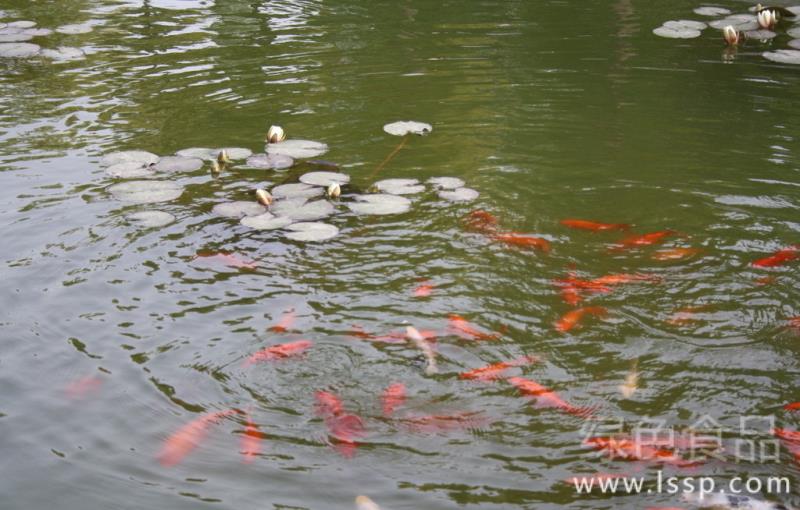
How to scientifically manage fish ponds when diseases break out frequently under high summer temperatures
How to manage fish ponds well in summer when diseases break out frequently under high temperatures
-
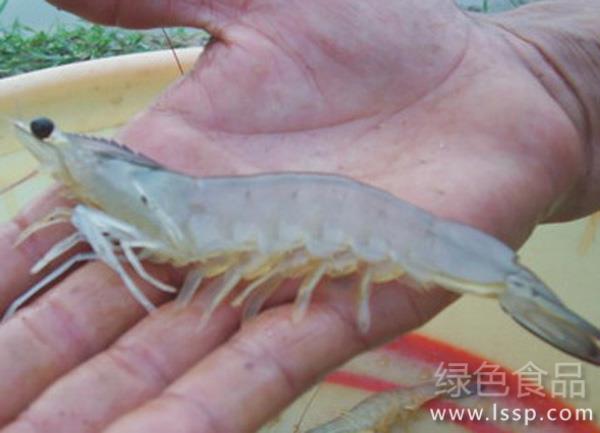
Soft-shell syndrome in prawns occurs at a high rate; how can it be prevented and treated in farming?
Prevention and treatment of soft-shell syndrome, which prawn farming is prone to
-
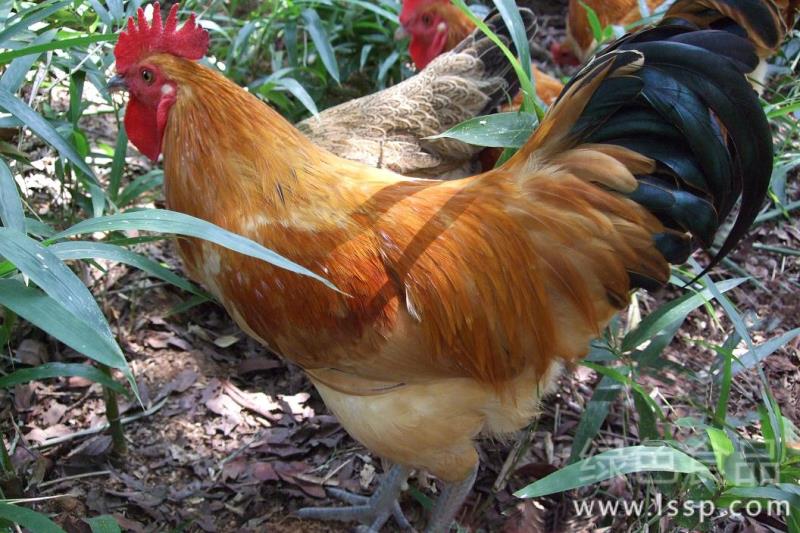
Prevention and Treatment Methods for Stubborn Diarrhea in Broiler Chickens Under High Temperature and High Humidity
Broiler chickens are prone to diarrhea under high temperature and high humidity; prevention and treatment methods for stubborn diarrhea in broiler chickens
-
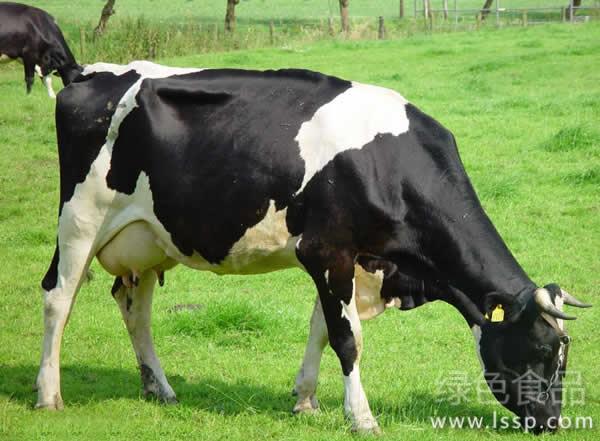
Dairy cows are prone to heat stress in high temperatures: five heat-relief and cooling measures to remember
Dairy cows easily suffer heat stress in high temperatures: five measures for heat relief and cooling in dairy cows
-

How to fertilize cotton for high yields? Scientific fertilization methods shared
In cotton cultivation, it is common that plenty of fertilizer is applied, yet cotton yields decline instead. This is because farmers do not understand the fertilizer requirements of cotton and fertilize irrationally, which not only wastes fertilizer but also causes low cotton yields and poor quality. Cotton farmers should grasp the following key points in fertilization: 1. Choose the right fertilizer types: on the basis of applying nitrogen fertilizer well, increase the amount of phosphorus and potassium fertilizer to enhance cotton's disease resistance, prevent premature aging in the late stage, and increase cotton yields. 2. Determine a reasonable fertilization amount: it is best to combine this with soil testing and formula fertilization technology,
-
Detailed Explanation of Key Points of High-Yield Fertilization Technology for Cotton
Fertilization is the most important and active link in cotton production. In order to obtain high cotton yields, scientific fertilization must be achieved. In villages such as Diandong and Sunwan in Tongshan County, Jiangsu Province, the lint cotton yield per unit area has stably exceeded 1500 kg/ha for more than ten consecutive years. According to surveys, the author summarizes their main experience in fertilization into 3 words, namely "sufficient, early, complete." 1 "Sufficient" Sufficient fertilizer is the foundation of high yield. That is, determine the target yield according to production conditions and management level, and determine sufficient fertilization amount according to the target yield. According to the experience of the above-mentioned high-yield units, to obtain a lint cotton index of
-
How to Grow Cotton for High Yields? A Detailed Guide to Cultivation Techniques
I. Choosing Suitable Cotton Varieties 1. Liaomian No. 10 has a plant height of about 70 cm, with dark green, broad leaves. It sets 8.43 bolls per plant; the bolls are round with a notched tip. Under open-field cultivation the growth period is 146 days, and under plastic mulching 137 days, making it suited to mulched cultivation, with a pre-frost boll rate of 83-90%. It has strong growth vigor, is easy to keep a full stand, does not senesce early, sets bolls well, and the bolls are uniform in size with concentrated boll opening. The average boll weight is 4.67 g, the lint percentage is 35.72%, and the fiber length is over 29 mm. It has strong stress resistance, with high resistance to Fusarium wilt
-
Detailed Explanation of Key Points for High-Yield Cotton Cultivation Techniques
Based on survey and analysis of cotton production in recent years, a cultivation management model suitable for the central and southern cotton areas of Pucheng has been summarized, namely: seedlings in April, buds in May, flowers in June, picking the first flowers by the end of July, skillful management in August, tender growth through September, autumn bolls covering the top, and clearing the stubble by the end of October. Through three years (06, 07, 08) of continuous demonstration application at 6 sites covering 5256 mu, a gratifying harvest of 346.1 kg of seed cotton per unit area was achieved, with a per-mu output value reaching 1827.40 yuan (based on the 3-year average price of 5.28 yuan/kg), a year-on-year increase in yield (
-
Detailed Explanation of Simplified High-Yield Cotton Cultivation Techniques
During cotton cultivation, cotton farmers often ask: Why is bud and boll shedding so severe? Why are there so many "black bolls"? Besides "blaming the bad weather" and "blaming too much rain," shouldn't cotton farmers also consider that excessive cotton field density is the "chief culprit"? In the past, it was fairly common for cotton farmers to leave 5000-6000 plants per mu with "one plant every ?? apart." Now, cotton fields with a density of 3000-4000 plants per mu are still everywhere, and "excessive density" is a common problem for most cotton farmers. As a result, the development of individual cotton plants is hindered
-
Fine Management Techniques for Cotton at the Seedling Stage to Build a Solid Foundation for High Yield
Cotton seedling-stage management is crucial, as it directly determines whether the cotton can build a good framework for high yield and whether the reasonable transition from vegetative growth to reproductive growth can be properly adjusted. The principles of seedling-stage management are: first ensure a full stand, and on this basis cultivate strong seedlings and promote early seedling development. The key points of seedling-stage management are: check the seedlings promptly after sowing, and if rotten sprouts or rotten seeds are found, reseed in time. Thinning and final thinning: thinning can be done in two rounds. The first is after the seedlings emerge evenly, keeping strong seedlings and pulling out weak and diseased ones. The second is at the 1-2 true leaf stage, and final thinning is at the three-leaf stage, when the base of the stem has already become lignified and its ability to resist adverse environments has increased. Intertillage: through intertillage, soil temperature can be raised, water evaporation reduced, root growth promoted, strong seedlings cultivated, and early development encouraged. At the seedling stage, intertillage is generally carried out 3 times. The first is at the cotyledon stage, together with thinning. Early intertillage can raise the soil temperature around the seedling roots, promote early root development and increase absorptive capacity, so that true leaves emerge earlier and seedling stress resistance is enhanced. It can also break up soil compaction and help preserve soil moisture. The depth of this intertillage is 4-5 cm. At this time it is already June, the temperature is rising, the root system is already relatively strong, and aboveground growth is accelerating. Deep intertillage can disperse surface soil moisture, promote roots to go deeper, and control internode length, which is even more important in relatively fertile cotton fields. Fertilization: growth at the seedling stage is relatively slow, and topdressing should be based on seedling condition, applied early, lightly, or not at all. Irrigation and drainage: in single-crop cotton fields in northern cotton regions, if enough pre-sowing moisture irrigation has been applied, do not water at the seedling stage; do a good job of intertillage and moisture conservation. If watering is truly needed, then water lightly with a small amount, irrigating every other furrow, and after watering carry out intertillage to conserve moisture, improve aeration, and raise soil temperature. At the seedling stage, the suitable field capacity of the soil is 55%-70%. Disease and pest control: the main diseases and pests of cotton at this stage are cotton Fusarium and Verticillium wilt, cotton aphids, cotton bugs, cotton bollworms, cotton red spiders, and so on.
条件筛选