-
The cultivation method for Oncidium is simple, and even beginners can easily learn it
There are already several articles on the website about Oncidium care. The reason I put this one together is that it is relatively simple and more suitable for beginner flower growers to refer to. I hope this simple Oncidium cultivation method is helpful to flower lovers!...
-
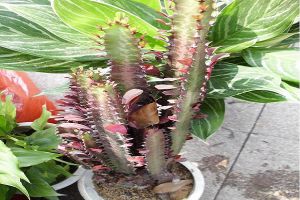
Propagation Methods and Precautions for the Dragon Bone Plant
It is also called dragon bone, and it looks very cute. If you keep this plant indoors for a long time, it helps freshen the environment, and it is very easy to grow and survive. The dragon bone plant is mainly propagated by cuttings.
-
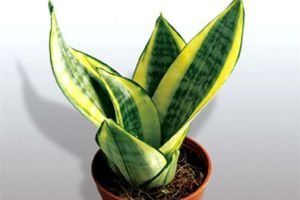
How to care for Sansevieria trifasciata 'Hahnii'? Detailed guide to growing methods and precautions
This is a green potted plant suitable for decorating a desk or balcony. Because this plant variety has relatively short leaves that are short and wide in shape, and the leaves also curl and overlap, with elegant patterns on the leaf surface, it is loved by many people. Moreover, it has low requirements for soil and fertilizer, and can even be grown in water. Let's take a look at how to care for it!
-
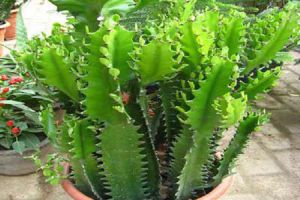
What are the pest and disease control methods for the dragon bone flower?
As an affordable and attractive flower, the dragon bone flower (Euphorbia tirucalli) is hugely popular, and leaving it indoors for long periods also helps clean the air. Many plants are accompanied by diseases and pests, so if the dragon bone flower runs into these problems, how should they be dealt with?
-
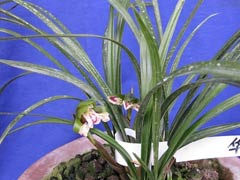
How to Care for Orchids in Summer? Practical Care Experience Shared
Every orchid grower has their own tips and experience on how to care for orchids in summer. Different regional environments and even growing media are not suited to applying a single set of experience, so growers should adapt flexibly. This article covers several summer care points shared by an experienced orchid grower, for fellow growers' reference....
-

What Is the Best Fertilizer for Orchids? A Detailed Guide to Scientific Fertilizer Selection
As the saying goes, every orchid grower has their own methods. On the question of what fertilizer is best for orchids, orchid enthusiasts may want to read this article carefully. Besides the author's insights on fertilizer use in orchid growing, it also includes other orchid growers' understanding of fertilizers....
-
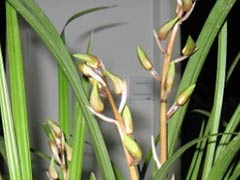
How to care for Cymbidium faberi so it blooms every year
For many flower lovers, after a Cymbidium faberi blooms once, the next bloom may not come for two or three years. So how can Cymbidium faberi bloom every year? We might as well look at what important precautions there are for caring for Cymbidium faberi. Basic care will not be covered in this article; if flower lovers are interested, they can simply search for Cymbidium faberi on the site.
-
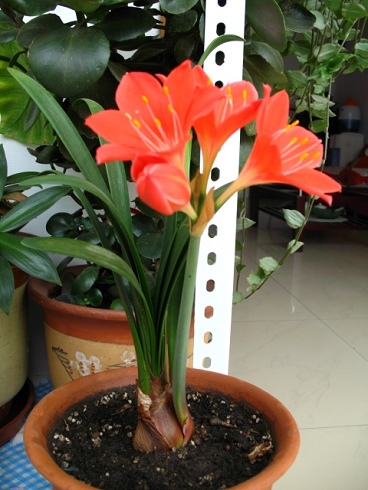
Detailed Guide to the Cultivation Methods and Gardening Tips for the Belladonna Lily
The belladonna lily (Amaryllis belladonna) is a perennial bulbous herb in the Amaryllidaceae family. It prefers warm and humid climates, with an optimal growing temperature of 18-25°C. It dislikes extreme heat, and sunlight should not be too intense; it should be kept under a shade canopy. It is afraid of waterlogging. During the winter dormancy period, it requires a cool climate, ideally 10-12°C, and must not go below 5°C. It prefers sandy soil rich in humus and well-drained...
-
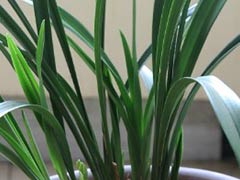
How to care for orchids in winter? A full breakdown of winter care tips
Winter is coming soon, and some beginner orchid growers don't know how to care for orchids in winter. Orchids are relatively sensitive to cold, so we need to focus on getting them safely through winter first, and only then on how to care for them. Let's first look at how cold-tolerant the various orchid varieties are....
-

What Is the Best Temperature for Orchid Growth? A Detailed Guide to the Suitable Range
The ideal temperature is 20°C to 30°C, with good ventilation, humidity of 60%-80%, and a shade rate of 60% to 70%. When grown well, Cymbidium goeringii can produce two new growths a year, Cymbidium faberi can produce one new growth a year, and Cymbidium ensifolium can produce three new growths a year within the ideal temperature range!
条件筛选