What are the pest and disease control methods for the dragon bone flower?
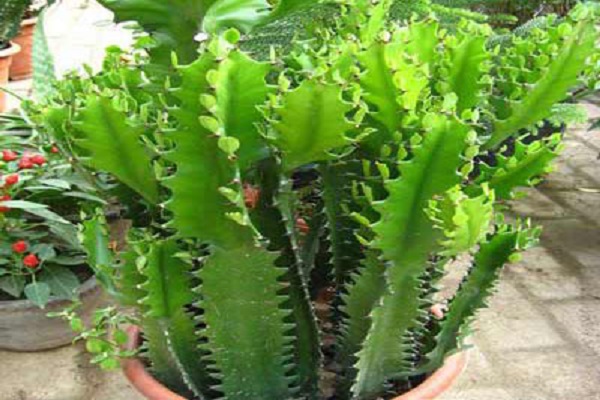
I. Common diseases
1. Scab
Characteristics: This disease mainly attacks the branches and stems of the flower, where there will be many scattered or clustered small brown spots, and the epidermis near the spots will be sunken.
Treatment:
(1) If the dragon bone flower has just been affected, you can use a sharp knife to remove those small brown spots cleanly and burn them, and apply Bordeaux mixture to the diseased areas.
(2) Spray the diseased areas and the surrounding branches and leaves, spraying once every week, then later spraying once every two weeks.
2. Anthracnose
Characteristics: It mainly attacks the fleshy stems of the flower. The spots formed by this disease are relatively large, with a diameter of 2-3cm, some semicircular in shape and some oval in shape, brown in color, turning grayish white in the later stage.
Treatment:
(1) Pay more attention normally. If disease is found, cut off the diseased stems and burn them. Apply copper oxychloride solution once every 5 days.
(2) If you want to propagate, choose disease-free branches, and soak them in 70% thiophanate plus 75% chlorothalonil for 30 minutes, then dry them.
(3) If the disease has not been present for long, mix 30% copper oxychloride with 70% mancozeb and apply once every ten days; spraying 2-3 times is enough.
II. Common pests
1. The dragon bone flower rarely faces the threat of pests. If wireworms, white grubs, or mole crickets appear, you can drench the roots with a 1000-fold hundred-insect remedy, which can effectively stop them.
2. If the ventilation in the room is not very good, red spider mites are very likely to appear and harm the top of the plant. If you find the top turning reddish brown and there are spider webs, you can treat it with decis.
3. If there are aphids or scale insects, you can dissolve laundry detergent and spray it, because it is an alkaline substance and will make the flowerpot alkaline, so before spraying it is best to wrap the flowerpot well with a plastic bag. Laundry detergent can block the pests' spiracles, making them unable to breathe and killing them. After killing the insects, wash the leaves of the flower.
4. If snails are found, they will eat the stems and leaves of the flower, and you can catch them all yourself. Be sure to note that if you accidentally knock off the branches and leaves of the flower and the sap flows out, do not get it into your mouth, and wash your hands quickly after handling it, otherwise it will cause numbness.