How to care for orchids in winter? A full breakdown of winter care tips
Winter is coming soon, and some beginner orchid growers don't know how to care for orchids in winter. Orchids are relatively sensitive to cold, so we need to focus on getting them safely through winter first, and only then on how to care for them. Let's first look at how cold-tolerant the various orchid varieties are.
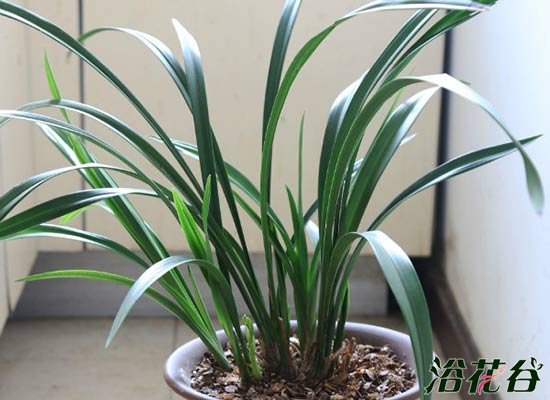
Generally speaking, Cymbidium faberi is the most cold-tolerant; it will be fine even at a minimum of minus 7 degrees. Cymbidium goeringii is next; minus 3 to 4 degrees will not harm Cymbidium goeringii. Cymbidium ensifolium is somewhat less cold-tolerant; generally it will not have problems at 0 degrees.
The least tolerant is Cymbidium sinense. Generally, below 0 degrees it will more or less cause harm to Cymbidium sinense. So Cymbidium sinense generally needs to be above 3 degrees to be considered safe.
But there is a big difference between the orchids described above grown in pots and those in the wild. Generally, Cymbidium goeringii and Cymbidium faberi on the mountains have far lower cold tolerance than what is described here. Some sources say Cymbidium faberi will not die even at minus ten-odd degrees. But in a pot that is impossible.
Temperature: Orchids need a vernalization process to bloom, so simply putting the orchid in a heated room does not mean everything is fine. During vernalization the temperature must be stable and must not be too high or too low. The temperature is best kept between 0—10°; low temperatures below -5° and high temperatures above 15° are both unfavorable to the normal growth of flower buds, and easily cause orchid buds to stall, affecting the elongation of the flower scape.
Watering: Orchids do need watering in winter, but the watering frequency should be adjusted appropriately according to the actual situation. Remember that "not wet in winter" means the potting soil must not stay wet for a long time, and the interval between waterings should be long.
Light: No need to say much about this; in winter it is best to provide sufficient light.
Ventilation: Orchids like ventilation and fresh air, which promotes metabolism and photosynthesis.