How to Care for Orchids in Summer? Practical Care Experience Shared
Every orchid grower has their own tips and experience on how to care for orchids in summer. Different regional environments and even growing media are not suited to applying a single set of experience, so growers should adapt flexibly. This article covers several summer care points shared by an experienced orchid grower, for fellow growers' reference.
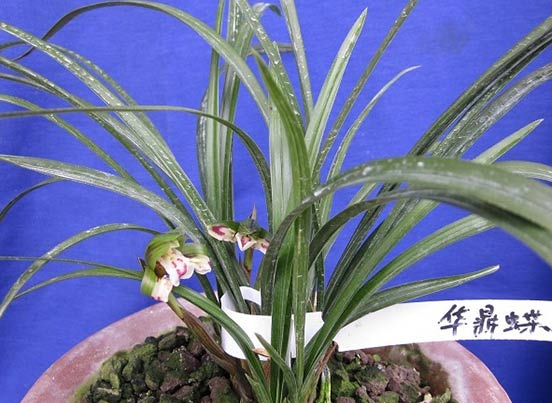
1. Do not use sphagnum moss in summer. The pot surface must be kept clean; remove any moss or similar material that can be taken out. If rot starts, it can collapse even a large pot within 1-2 days.
2. Water with ventilation in place. Do not water into the leaf crown; if water droplets get in, ventilate as much as possible to dry them quickly. Limit watering to early morning and evening (watering at high noon is simply asking for trouble).
3. Try to stop foliar feeding in summer. If fertilizer is needed, solid slow-release fertilizer is enough. Do not fuss around with your orchids in summer.
4. Keep things on the dry side as much as possible. Dryness can prevent the rot caused by wet, soggy conditions. If your growing medium holds moisture well, pay even more attention to this.
5. On hot, stuffy days, be sure to maintain ventilation. Never water on rainy days.
6. During this period, mix fungicide at a more diluted ratio than usual.
One more reminder for everyone: seedlings from a truly rotting plant can die off in less than a week once rot sets in. If you want to save them, you must act fast once you spot it; rot can destroy a large pot within 2-3 days. Old pseudobulbs rotting is not the same as seedling rot; watch out for new growths and new seedlings collapsing. This kind of collapse is quite frightening. Once discovered, immediately unpot, cut away everything until there is no pseudobulb and no black material left. If you are not confident, cut away one more growth as a separation. A separation cut like this is absolutely safe afterward; just pay a little extra attention to that single growth. For small wounds, singe with a cigarette butt; for large wounds, use cut paste. Before planting, let it dry, and you can pre-moisten the medium before planting so you do not need to water afterward, which avoids water washing the wound and diluting the medicine's effectiveness.
After cutting, if there are no problems within basically half a month, then it is basically saved. Congratulations. However, in summer be sure to note that disturbing the pot carries risk; keep wounds as small as you can control.