-
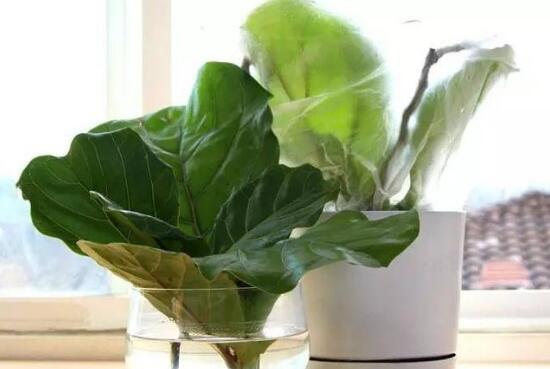
Can Fiddle-Leaf Fig Be Grown in Water? Hydroponic Growing Methods and Leaf-Cutting Water Propagation Tips
As a common foliage plant, the fiddle-leaf fig (Ficus lyrata) has many benefits: it is not only attractive and able to purify the air, but can also be used medicinally to treat illness. Such a plant is naturally kept in many homes, and compared with growing it in soil, many plant lovers prefer growing it in water. So can the fiddle-leaf fig be grown in water? If it can
-
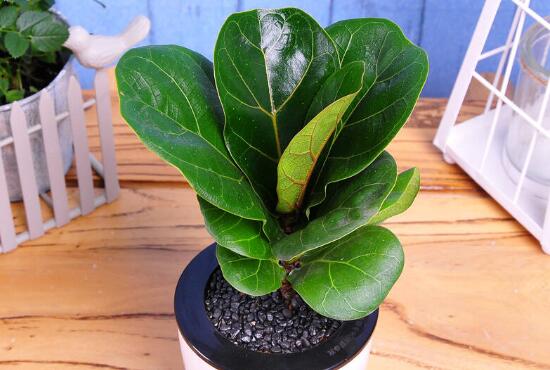
How to fertilize a fiddle-leaf fig? Just fertilize once every 10 days during the growing season
As a beautiful foliage plant, the fiddle-leaf fig has very large leaves and stays evergreen all year round. To maintain the beauty of its leaves, adequate nutrients are crucial, so in the process of growing a fiddle-leaf fig, fertilizing is a very key step. So how do you fertilize a fiddle-leaf fig? How often should you fertilize a fiddle-leaf fig?
-
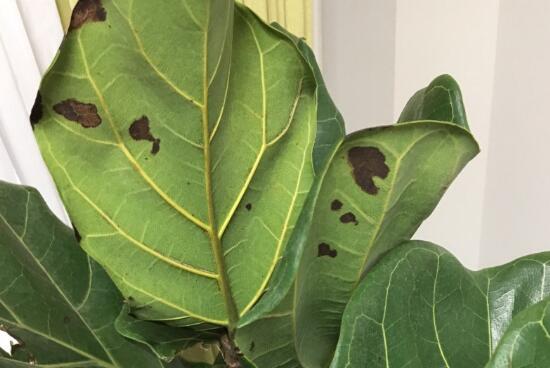
What to Do When Fiddle-Leaf Fig Leaves Develop Rust Spots? Causes and Notes on Watering and Temperature
The fiddle-leaf fig (Ficus lyrata), a beautiful foliage plant, has large, shapely leaves that look like a cello, and it stays green all year round, making it deeply loved by plant enthusiasts. But during cultivation, many growers find that their fiddle-leaf fig leaves develop rust spots, which seriously affects the plant's ornamental value, and they are eager to know what to do when fiddle-leaf fig develops rust spots
-
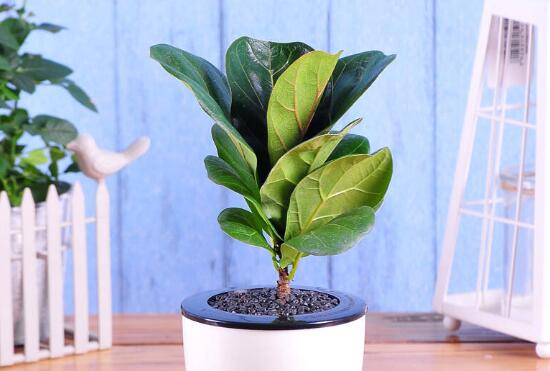
How to grow a fiddle-leaf fig? Care methods and precautions: it loves light but hates strong light
The fiddle-leaf fig is an ideal indoor potted plant. Its leaves are large and attractive, and growing it indoors can even improve home feng shui, so it is deeply loved by plant enthusiasts. In daily life, once people discover the benefits of the fiddle-leaf fig, many want to grow it, so how do you grow a fiddle-leaf fig?
-

-
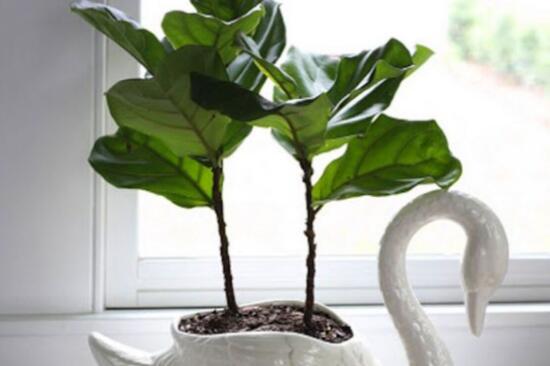
How to propagate a fiddle-leaf fig? A detailed guide to two propagation methods: cuttings and air layering
As a common foliage plant, the fiddle-leaf fig has many benefits: it not only looks good and purifies the air, but also has a positive feng shui effect and is even used in medicine. With a plant like this, it is natural that many plant lovers want to grow it, but rather than buying one to grow, it is better to propagate and plant it yourself
-
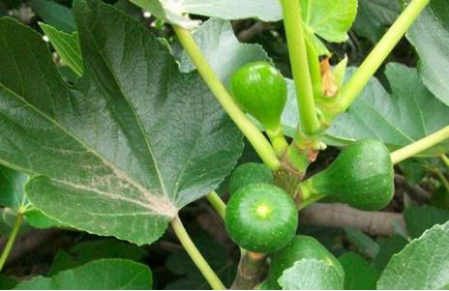
Detailed explanation of fig planting methods and cultivation techniques
1. Container. The root system of figs is relatively well developed, so if they are not planted directly in the ground, a relatively large container should be chosen for cultivation. The best option is a large clay jar, and the space needed for their growth should also be somewhat spacious, preferably an open balcony of a building or a small courtyard. 2. Soil
-
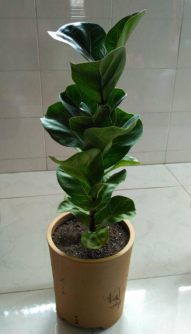
A detailed guide to fiddle-leaf fig propagation methods, teaching you how to easily propagate new plants
1. Cutting the cuttings. When propagating fiddle-leaf fig by cuttings, it is best to choose one- to two-year-old branches, cut them off 20 to 30 cm above the soil surface in the pot, then cut the removed branches into sections of three or four nodes as cuttings. Each cutting should keep one leaf, and about two-thirds of the leaf should be cut off, which can reduce water evaporation.
-
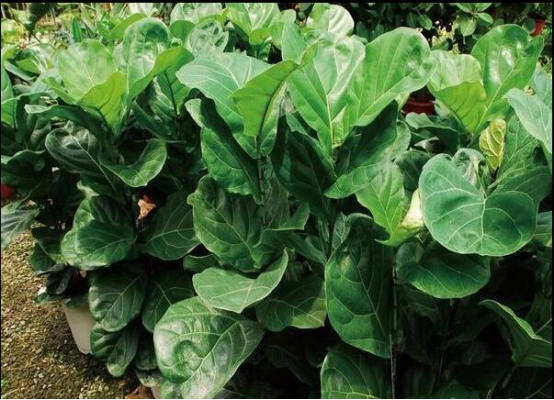
What to Do When a Fiddle Leaf Fig Dries Out and Drops Its Leaves? Causes and Remedies
Once we notice the fiddle leaf fig dropping leaves, we need to find the cause. Usually, as long as we find the cause, the problem of dry, dropping leaves is easy to solve. 1. Soil causes. Because the fiddle leaf fig is suited to growing in slightly acidic soil, and most of the water we normally use for watering plants is tap water, over time
-
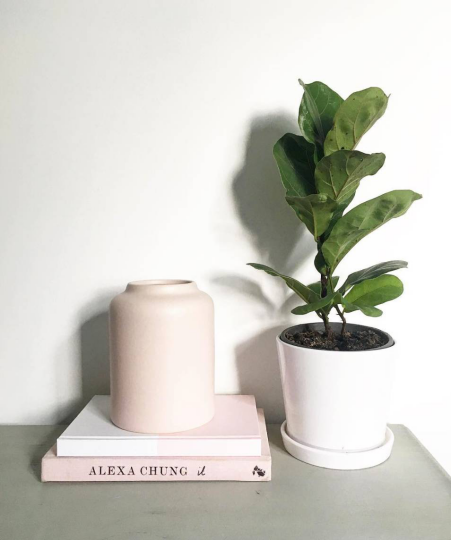
Why do fiddle-leaf figs easily turn yellow right after being brought home?
The fiddle-leaf fig likes broad, airy spaces. When a fiddle-leaf fig is newly brought home, the change of environment, combined with poor indoor air circulation, causes the leaves to start turning yellow-brown from the edges, and then the whole leaf begins to wither. To deal with this situation, you need to increase the indoor air humidity
条件筛选