-

What to do when Kalanchoe leaves turn black? Teaching you the correct way to handle it
In fact, this kind of black leaf is closely related to black spot disease. Once the disease occurs, we can clean up the withered branches and leaves after autumn, and after pruning, place it in a spot with good light and ventilation. When new leaves grow out, we can use carbendazim or chlorothalonil solution to treat it, spraying once every seven to ten days; spraying three or four times can solve this symptom.
-
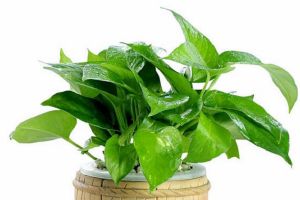
What causes black spots on pothos leaves?
Most people growing pothos will find that their plant is not entirely green, but has black spots. What is going on? There are actually several reasons: the most common is leaf spot disease; in addition, overly stuffy air, insufficient light, or an environment that is not warm enough can also trigger this condition. Next, let us look at how to solve it.
-
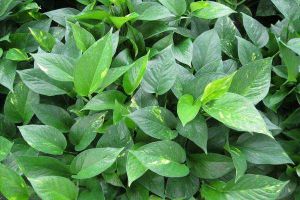
Why Pothos Leaves Turn Black and How to Fix It
Many people like to place a pot of pothos with lush green, vibrant leaves in their bedroom or office, because it gives a strong sense of life. However, pothos leaves can turn black for various reasons, and when this happens we need to identify the cause and then address it: if it is due to low temperature, raise it above 10°C; if it is sunburn from strong light, give it appropriate shade; if it lacks water, appropriately increase the frequency of watering.
-
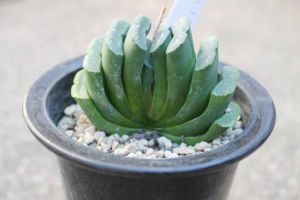
What to do when succulents get black rot or turn to mush? One trick saves them, no worries about summer
Lately, many gardeners' succulents have been showing black rot, turning to mush, and dropping leaves. This is not a good sign, so be careful, your little succulents might not make it to summer!
-

What to Do When Gardenia Leaves Develop Black Spots? Causes and Solutions
When this happens, the most likely cause is a disease problem, specifically "leaf spot disease." So, besides removing the diseased leaves, you also need to spray them with medicine. Another cause is poor air circulation combined with poor light, which allows some harmful bacteria to produce mildew. In that case, ventilation and plenty of light are essential. Yet another cause is too much water, with overly severe water accumulation, which can also lead to this situation. The corresponding fix is to regulate the amount of water and drain it promptly.
-

-
-
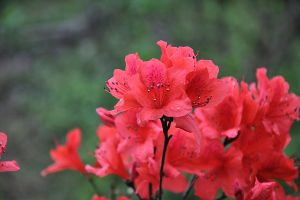
Why Azalea Leaves Turn Black and How to Fix It
This problem can mainly be attributed to five aspects. The first is water: too much or too little won't do, it needs to be just right. The second is the fertilizer issue, which likewise should not be too much or too little. Then there's air humidity: if it's too low, it can also cause this condition, so you should spray some water as appropriate. The fourth is light that is too intense, which can scorch the leaves and turn them black, so you can adjust its position. The last one is disease, specifically "brown spot disease," which causes its leaves to turn black; in this case you need to deal with the diseased leaves first, then spray the fungicide.
-
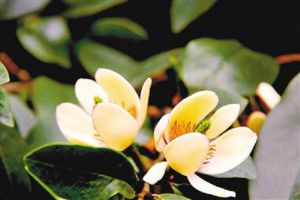
Reasons and Solutions for Blackened Leaves on Banana Shrub (Michelia figo)
Once the leaves turn black, the visual appeal is severely affected. To solve this problem, we should understand its possible causes. The most likely one is an environment that is too humid, and the corresponding measure is to regulate moisture. Another is that the concentration of fertilizer applied is too high, or the amount is too much, and the measure is naturally to adjust the fertilizing method. The next situation is the threat of bacteria and other pathogens, so naturally the way to deal with these harmful bacteria is by spraying chemicals.
-
条件筛选