-
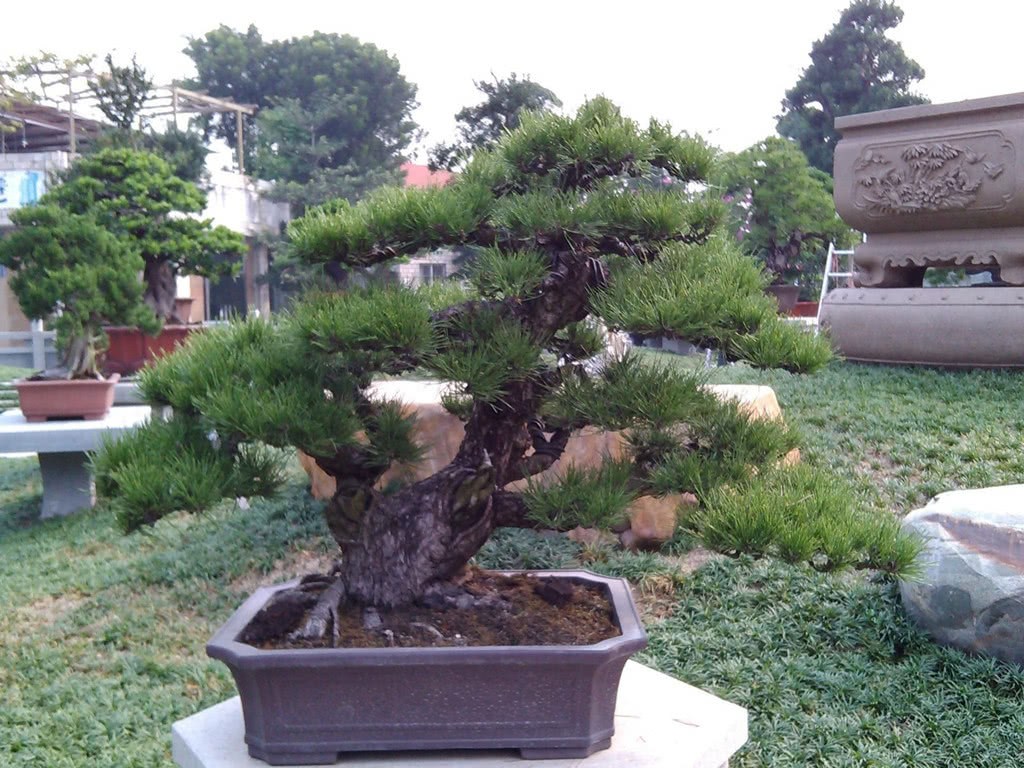
Shaping a Tall Black Pine: Uncle San Turns Unremarkable Material into Something New
Uncle San's shaping of a tall black pine turns even unremarkable material into something new. A stump bonsai does not come with a great shape just because you dug it up or bought it online. To grow a black pine stump bonsai with a distinctive shape, you still have to...
-
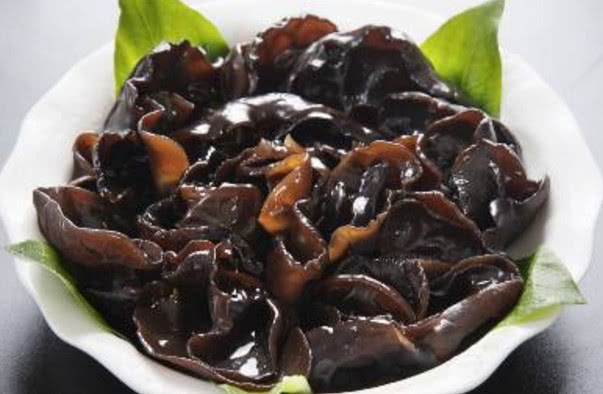
Eat it in May to nourish the blood, fight aging and even grow black hair; this is the secret to longevity
Black wood ear mushroom (Auricularia heimuer), invigorates blood circulation and also nourishes the kidneys and stomach; black wood ear mushroom can also fight blood clots and lower blood lipids. Its main effect is to soften blood vessels, making blood flow smoother, and it can also reduce the occurrence of cardiovascular disease. Black wood ear mushroom also has nourishing and moistening...
-
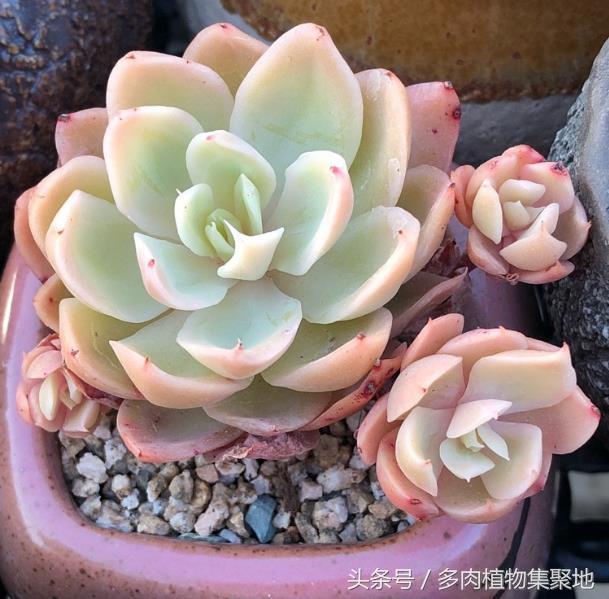
Why Your Succulent Suddenly Got Black Rot: The One Thing Missing from the Pot
A fellow gardener's succulent suddenly developed black rot a few days ago. When he waters his succulents, he always waits until the soil is completely dry and then waters thoroughly, so overwatering can basically be ruled out as the cause. Later, he couldn't resist digging the succulent out, removing the soil to take a look...
-
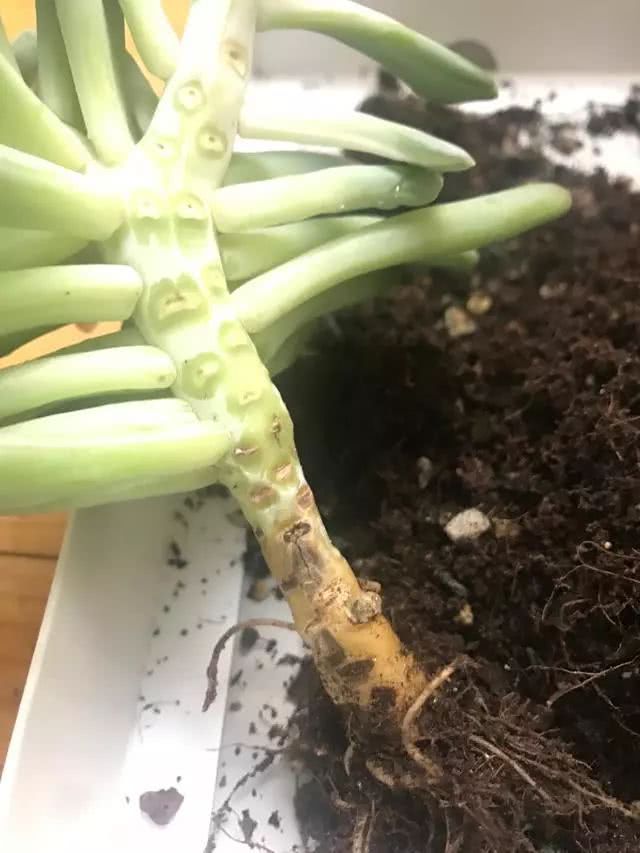
If a succulent drops leaves on only one side, it is most likely black rot.
Q: Why do the leaves drop on one side while the other side is fine? A: You will know why once you behead it. As soon as this condition is noticed, it should be beheaded promptly, cutting until the stem is clean; the cut-off part can be left to dry until the wound heals, and then it can be propagated as a cutting. ...
-
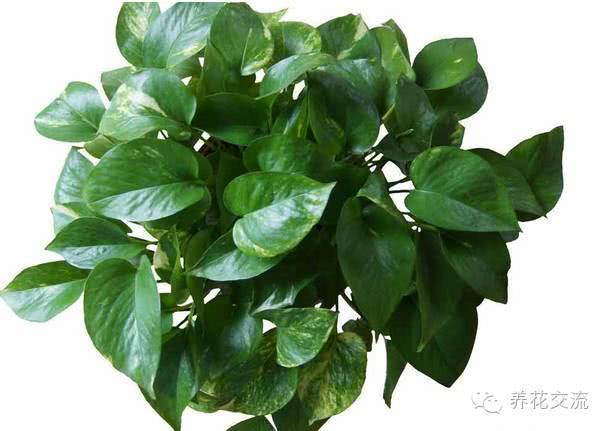
The potted plant has not been kept for long, so why are there all these small black flies around the flowerpot?
Do you know what these small flying insects are? They are actually what flower lovers often call small black flies, with the scientific name "Sciaridae" (dark-winged fungus gnat), and can be understood as insects that can fly but are a bit smaller than mosquitoes. What kind of environment do they like? They like dark and damp...
-
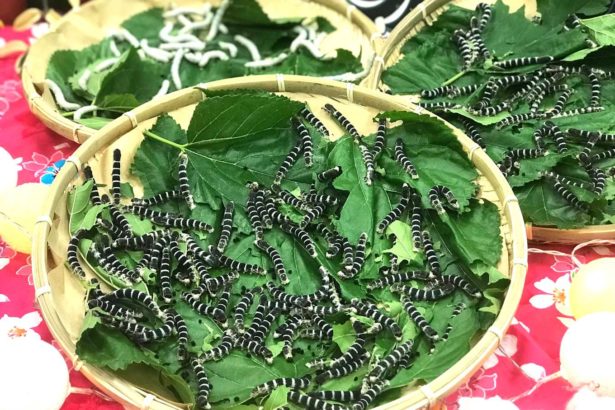
Black Whirlwind Silkworm Babies Are Born! Seven Years of Breeding at the Miaoli District Agricultural Improvement Station, Strong Bodies with Eye-Catching Lines
Black Whirlwind Silkworm Babies Are Born! Seven Years of Breeding at the Miaoli District Agricultural Improvement Station, Strong Bodies with Eye-Catching Lines
-
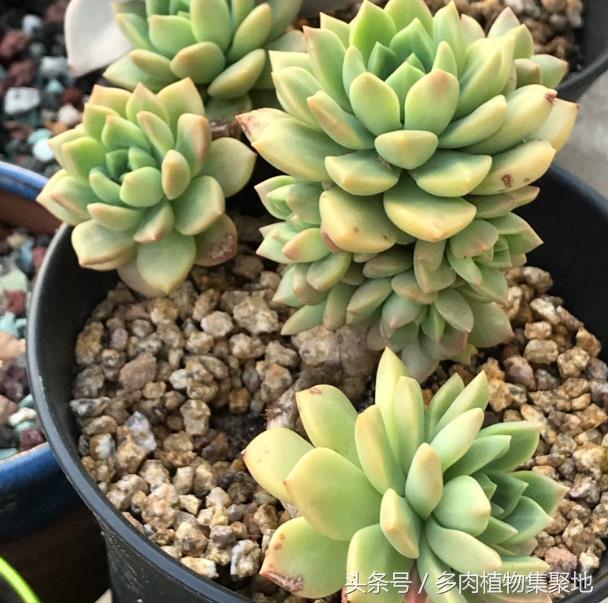
Succulent plants sunburned for a few days and then developed black rot? Teach you to control water and improve ventilation to restore health
A flower enthusiast asked why succulent plants developed black rot and turned to mush after just a few days in the sun, because this spring, the maximum temperature already reached 30°C for two consecutive days, while the same period last year was 20°C, and hitting 30°C was something that only happened after May. During the acclimation period, putting them directly outdoors, ...
-
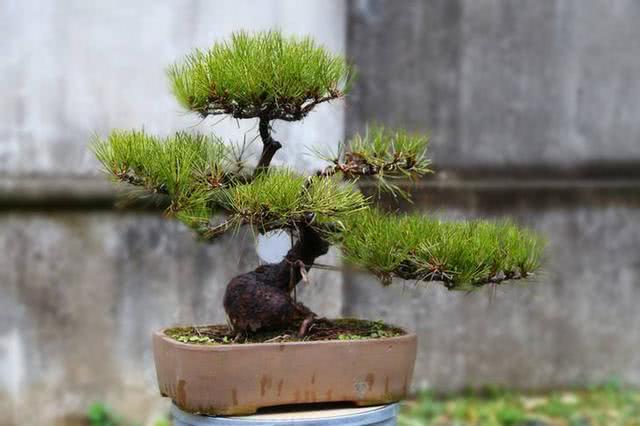
How to grow a black pine bonsai? It is especially drought-tolerant and has these benefits
Black pine - hear the name and you know its meaning: the black pine. The black pine is a type of pine, and its color is described as grayish-black, which is how it got this name. Pine, plum and bamboo, the Three Friends of Winter, have always been beloved by scholars and poets. Modern home decor also cannot do without...
-
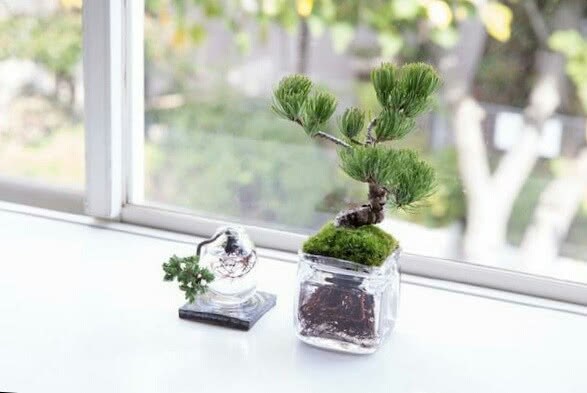
A Detailed Guide to Hydroponic Techniques for Black Pine, Chinese Juniper, and Maple Bonsai
I just came across someone growing bonsai such as pine, Chinese juniper, maple, and ginkgo using hydroponics, and I couldn't wait to show fellow enthusiasts. Without further ado, let's look at the pictures first. Chinese juniper and pine, maple, pine, specially made glass bottles, melted and fixed...
-
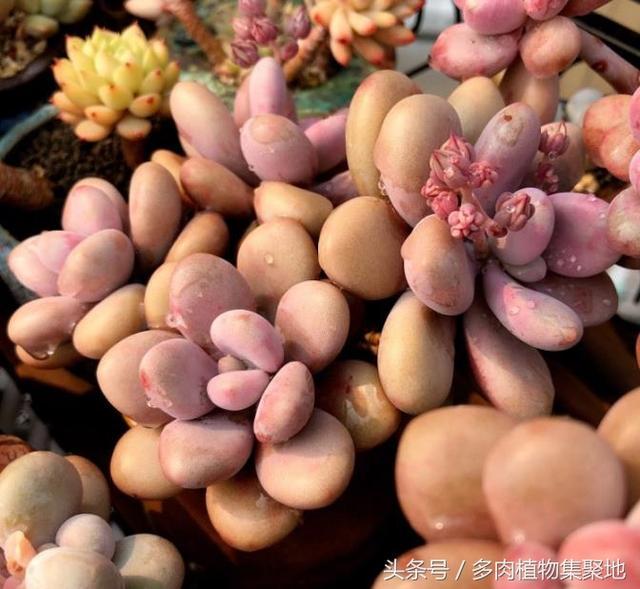
Succulents prone to black rot and root rot during consecutive rainy days: 2 easy prevention tips
The aftereffects of succulents getting too much rain are usually leaves starting to turn to mush, and black spots may even appear before they turn to mush. Once black spots appear, it is depressing, as it is usually black spot disease. Succulents with tightly packed leaves are the most vulnerable, such as Aloe nobilis, Sedum adolphi,...
条件筛选