-

Apple often changes its screensaver, but one thing stays the same: its high-end positioning rests on this flower
Brainy Handmade joins you to listen to the sounds of the night! Follow the Apple launch event on the 12th, "no surprises, no excitement" - it looks more like a summary of the leaks from earlier. The "budget" Apple phone's 6.1-inch LCD screen...
-
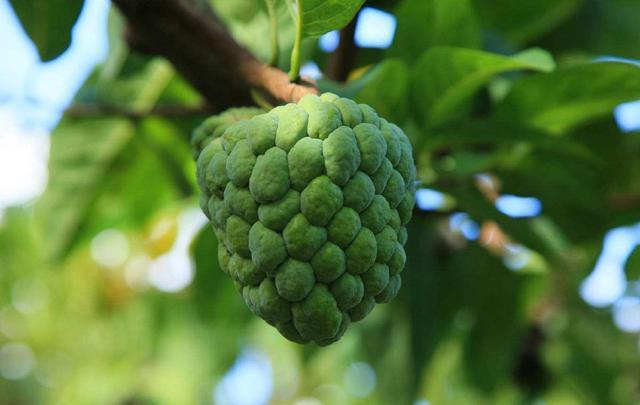
Sugar apple is edible and closely resembles the lychee; it is the best antioxidant fruit for delaying skin aging
Sugar apple (tropical plant) (another name for the sugar apple fruit) generally refers to sugar apple (tropical plant). Sugar apple (scientific name: Annona squamosa Linn.), of the family Annonaceae and genus Annona, is a deciduous small tree; the bark is thin, grayish white, and often...
-

-

-

A woman in Zhumadian, driven by vanity, bought an Apple phone with zero down payment and got scammed out of more than 30,000 yuan
Miss Li of Zhumadian bought a high-end Apple phone through a zero down payment, installment payment plan. After using it for a bit under half a year, Miss Li was very satisfied with the quality of the Apple phone and decided to pay off the phone installment loan early in June, but in July...
-
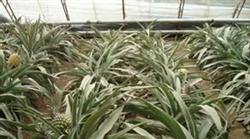
How to Grow Pineapples in Greenhouses in Northern Regions
It generally takes about one year for a pineapple to go from planting to flowering and fruiting. Pineapples are also suitable for growing in flower pots, which not only makes full use of the space under trees, but also allows them to be sold as potted ornamental plants during the flowering and fruiting stages, offering high ornamental value and economic returns. In northern regions, cultivation should be carried out in solar greenhouses or multi-span greenhouses with heating facilities. Planting...
-
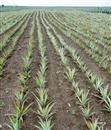
Detailed Explanation of Practical Experience in Off-Season High-Yield Cultivation Techniques for Pineapple
Pineapple planting methods include double-row, three-row and four-row. In the double-row system, the commonly used bed and furrow together are 150cm wide, with a single plant arranged in each of the two rows. Its advantages are: the bed furrow is relatively wide so the fibrous roots can spread outward, the plant and row spacing on the bed is relatively uniform, the stem bases press against each other, and the leaves spread out to form a hemispherical surface, which can fully utilize sunlight and easily form between-row...
-
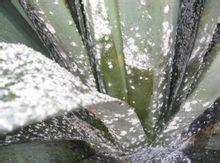
Identification and Control Methods for Pineapple Mealybugs
Pineapple mealybugs belong to the order Homoptera, family Pseudococcidae. Dysmicoccus brevipes is the most commonly seen species. The damage symptoms are caused by adults and nymphs feeding on the sap of pineapple rhizomes, leaves, fruits and seedlings. Affected leaves first show symptoms starting from the lower part, gradually fading upward to yellow and finally turning red-purple; in severe cases all leaves soften and droop...
-
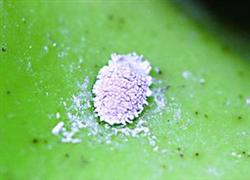
How to control pineapple mealybug? Detailed control methods
The pineapple mealybug, scientific name Dysmicoccus brevipes (Cockerell), belongs to the order Homoptera, family Pseudococcidae. Dysmicoccus brevipes is the most commonly seen species. Damage symptoms: adults and nymphs damage pineapple rhizomes, leaves, fruits and seedlings by sucking their sap. On affected leaves, symptoms first appear on the lower leaves, gradually fading upward to yellow and finally...
-
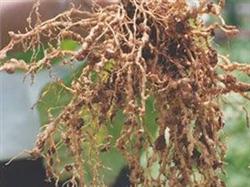
Pineapple fertilization: pay attention to supplementing nitrogen and potassium fertilizers
Because root-knot nematodes parasitize in the roots and cause the root tissue to overgrow, forming tumors of varying sizes. Control method: implement quarantine; plants carrying nematode disease must not be brought to disease-free areas. When opening a new orchard, plow and harrow the soil to expose it to the sun in clear weather; sunlight exposure can also kill root-knot nematodes.
条件筛选