-
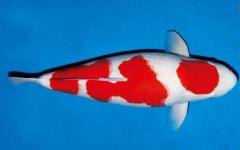
What are the "Big Three" and the "Big Four" Japanese koi varieties? WWD Fish Notes
After koi were made a viral sensation on Taobao last year, koi, after lying quiet for many years, have slowly returned to the public eye. What we call koi generally refers to Japanese koi with distinct characteristics, also known as KOI, while varieties with color that is not vivid are called "local cannons." In other words,
-
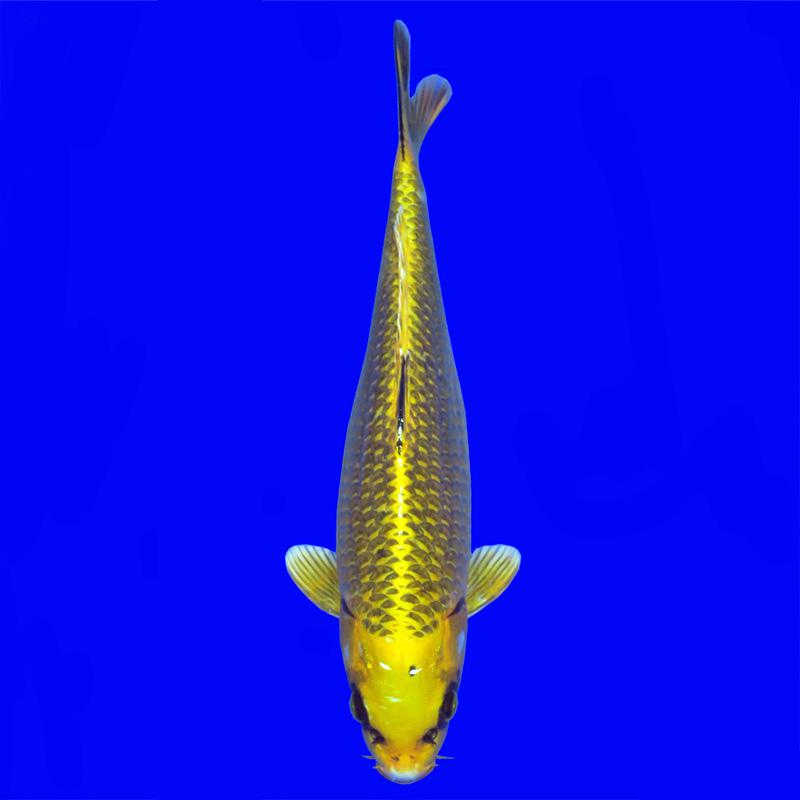
Koi Water Change Frequency and the Symptoms and Treatment Methods of Red-Skin Disease
In the process of raising koi, red-skin disease is also a common disease, but for a beginner, they may never have encountered such a situation at all. However, in this article today, we will give everyone a brief introduction to the treatment methods for koi red-skin disease...
-
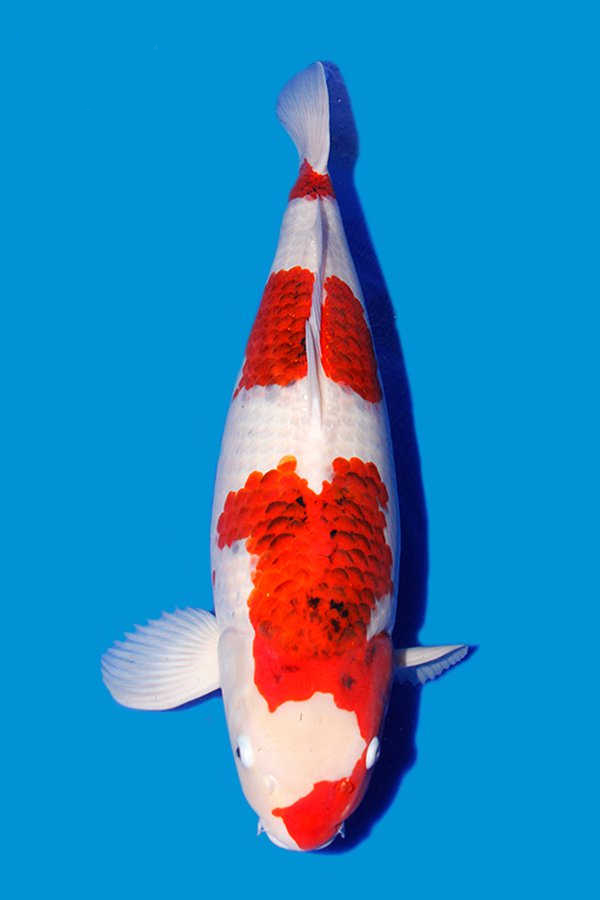
Symptoms and Prevention of Koi Side Sipi Trematode Parasite Disease
Side sipi trematodiasis, also called closed-mouth disease, is caused by the Japanese side sipi trematode (Asymphylodora japonica) parasitizing the front part of the intestine of fish. The worm body is small and flat, nearly oval, measuring 0.53-1.3 micrometers × 0.21-0.52 mm, with small spines covering the body surface. The oral sucker is located at the subanterior end, followed by the prepharynx, pharynx, and two ceca of the esophagus.
-
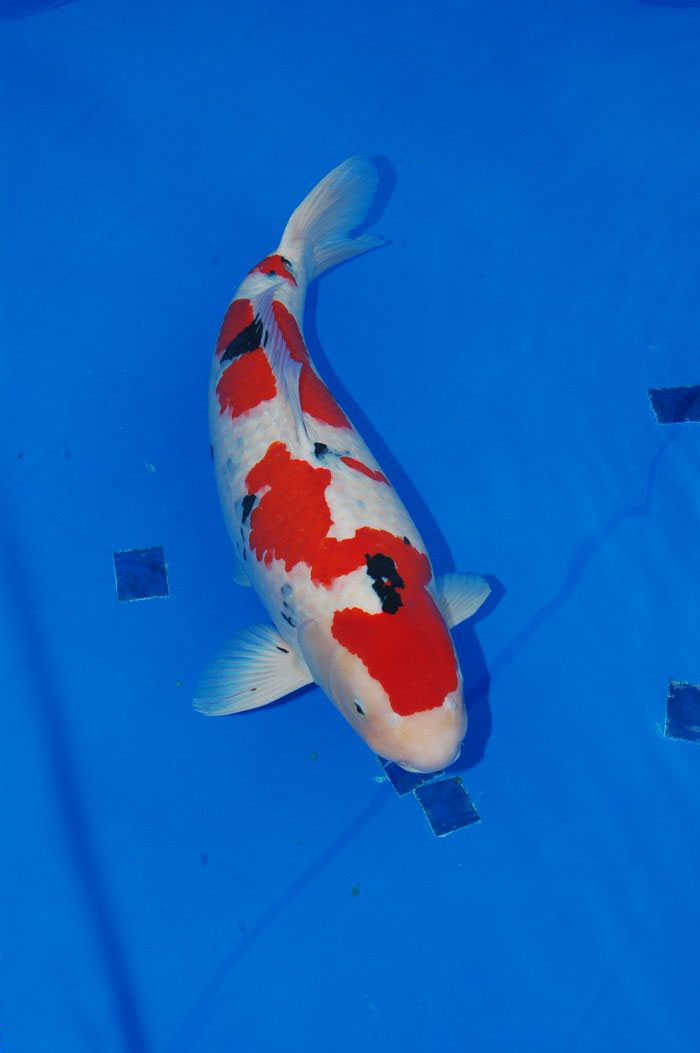
Koi fish farming: pay attention to the growth environment of Ichthyobodo and the prevention and treatment of parasitic diseases
Below we introduce the growth environment of Ichthyobodo, so that we can gain a deeper understanding of its characteristics. Ichthyobodo has extremely strong adaptability to the environment, and its main suitable water temperature is 12-20°C. The victims of Ichthyobodo disease outbreaks are mostly young fish; the younger the juvenile...
-
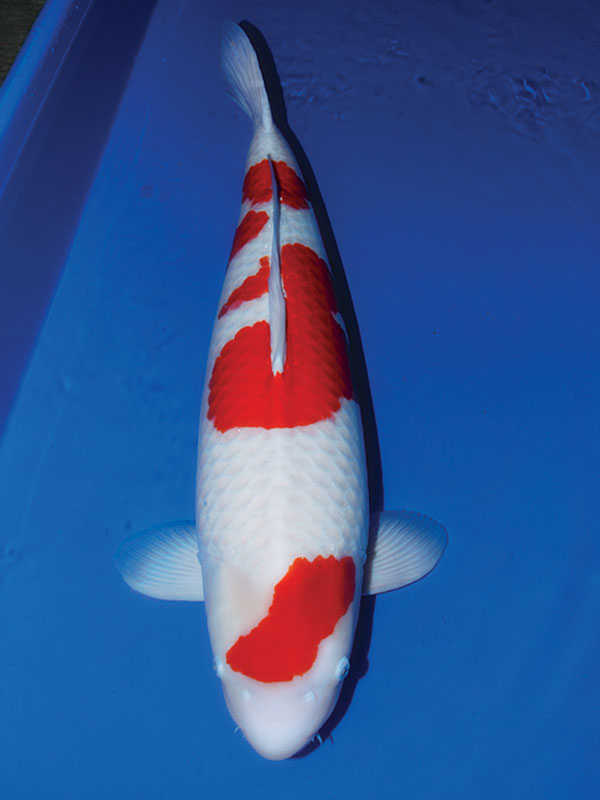
Koi lying at the bottom of the tank? Or is it a skin and scale disease like red-skin disease?
Red-skin disease is also called hemorrhagic putrefaction disease, red-skin plague, scale-erosion plague, or fin-rot disease. Symptoms: the diseased fish's scales fall off (which distinguishes it from skin inflammation and congestion disease), especially obvious on both sides and the belly. The diseased fish's skin is locally or largely inflamed and congested, and the bases of the fin rays of the dorsal fin, caudal fin, and other fins...
-
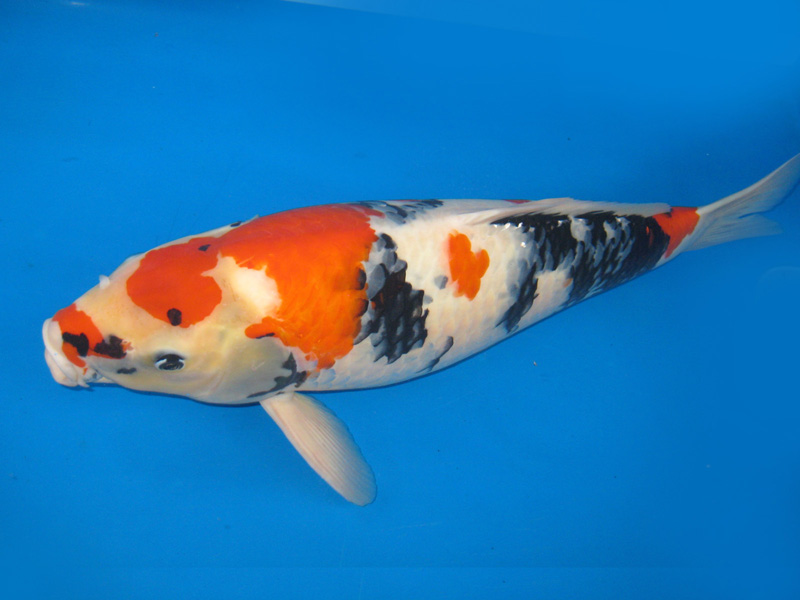
How to Choose Koi, and 5 Methods and Tips for Raising Koi
Koi have a robust and handsome build, brilliant colors, varied patterns, and a majestic swimming style, giving them extremely high ornamental and keeping value. Their body length can reach 1-1.5 m. Koi are distinguished by different colors, patterns, and scales. Among them, the Butterfly Koi was only successfully bred in the 1980s, with...
-
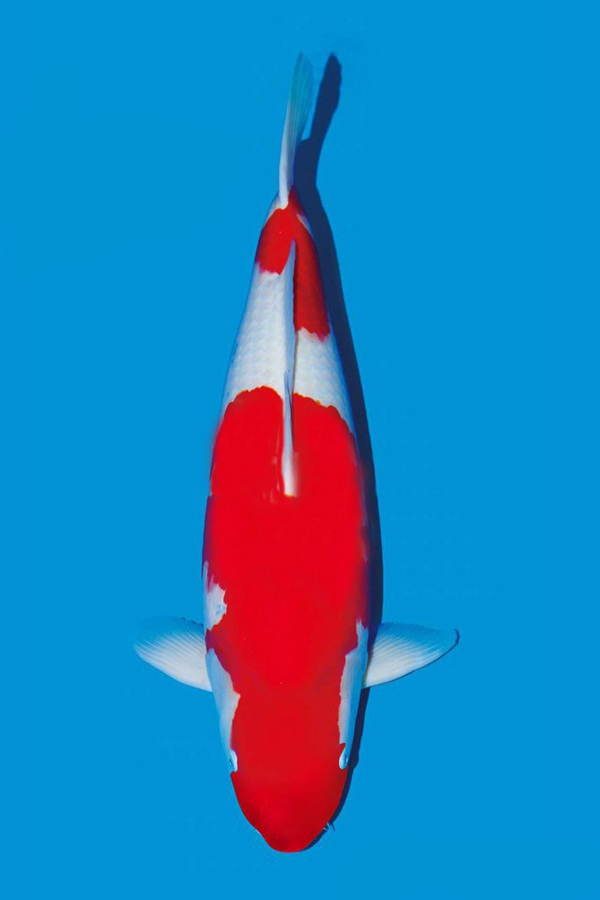
What is the difference between a mask kohaku and a kohaku?
Introducing the mask kohaku. A mask kohaku is a kohaku whose entire head is covered by a red patch while the rest of the body has a red-and-white combination. Appreciating the mask kohaku. As people's appreciation standards keep shifting and flowing and aesthetic views keep being renewed an...
-
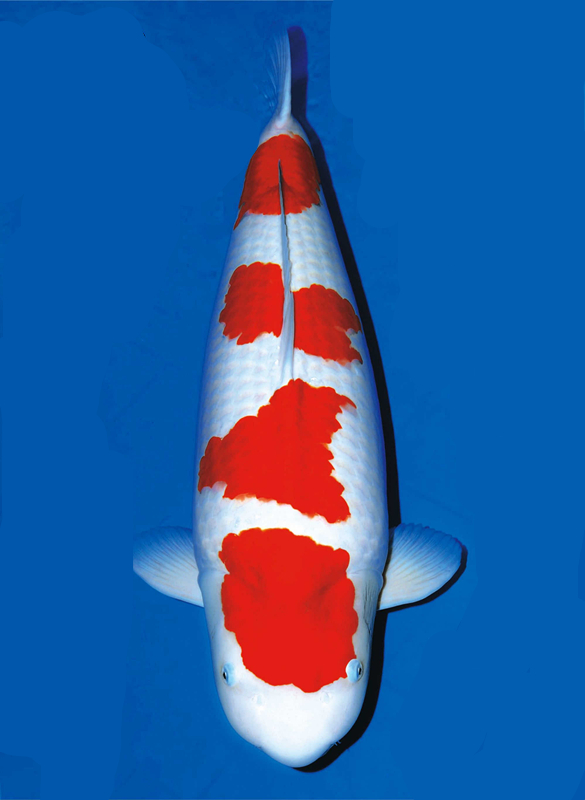
Are four-step red-and-white koi beautiful? A full analysis of breeding techniques
Introduction to four-step red-and-white koi. The four red patches of the four-step red-and-white koi are generally distributed across three areas: the head, the trunk, and the tail. Generally speaking, compared with two-step and three-step red-and-white koi, the four-step red-and-white places greater emphasis on the question of balance points; the dividing points of the red patches must not only...
-
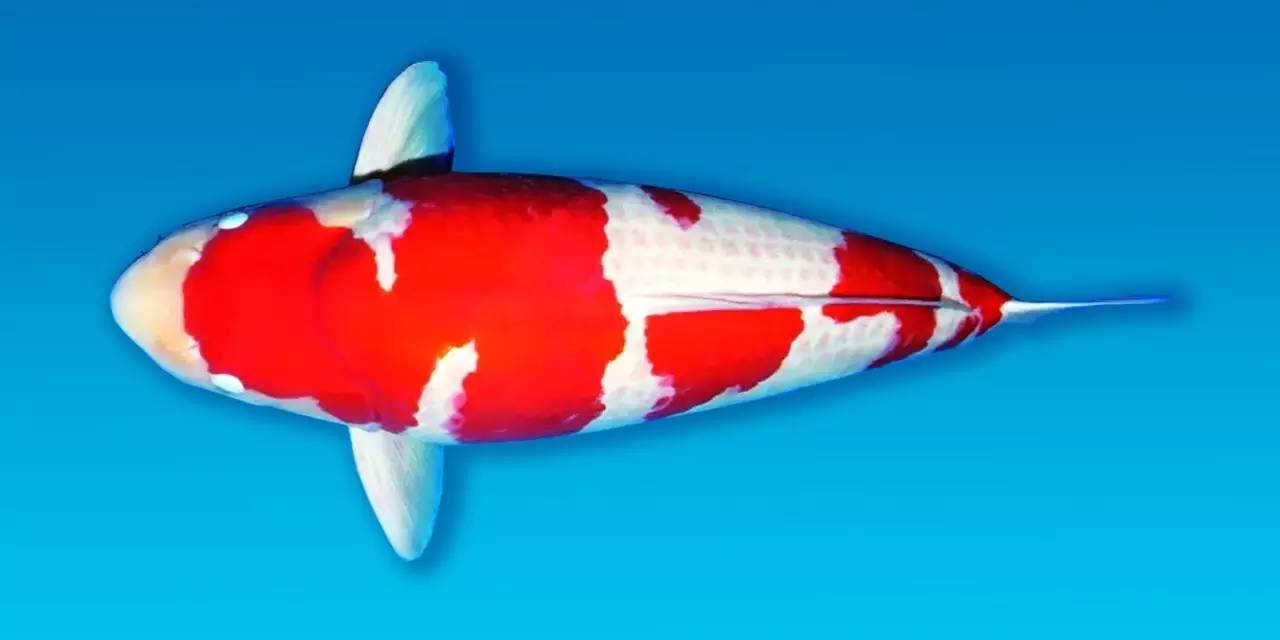
Jackson Wang and Wang the Lucky Koi bring you college entrance exam blessings, how about that?
First, let's celebrate some good news. Our Longlong and Little Dawn have both achieved great results. Singer Wang is awesome. Longlong's views have surpassed 20 million! Little Dawn also won 6 consecutive Billboard crowns (*^ω^*) Jackys, let's all be Jiajia's strongest support ?(?) ? Please, Go Fridge is piping hot...
-
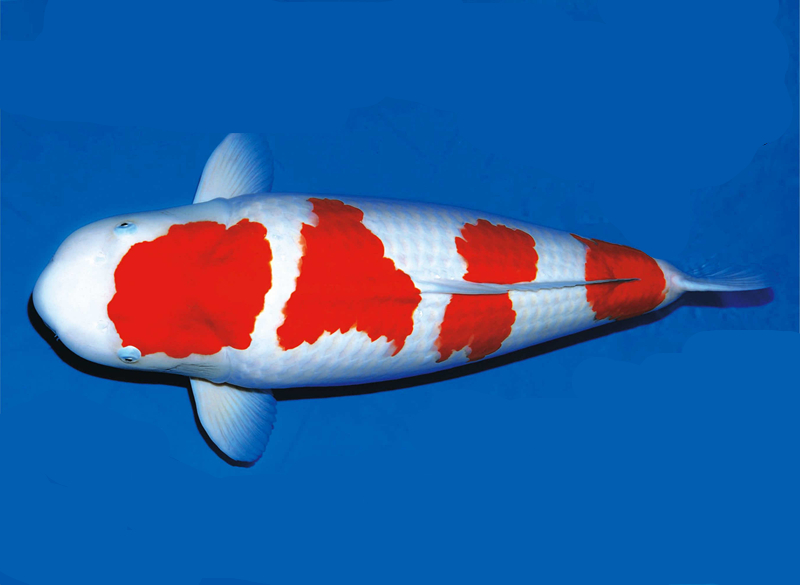
Diagnosis and Treatment of Koi Herpesvirus Disease
Koi herpesvirus disease (KHVD) is an infectious disease caused by koi herpesvirus (KHV). Current epidemiological studies show that the virus infects only common carp and koi. Whether fry, juvenile fish, or adult fish, all can be infected with KHV, ...
条件筛选