-

Morphological Characteristics of Polygonatum and Introduction to Suitable Growing Environments
[Morphological Characteristics] Perennial herb, plant height 30-120 cm. The whole plant is hairless. The rhizome is yellowish-white, slightly sweet in taste, thick and fleshy, growing horizontally, formed by several chicken-head-shaped sections connected into a shape thick at the head and tapering at the tail; the end bearing the stem is relatively thick, and after the stem withers it leaves a round stem scar like a chicken's eye; the nodes are distinct, with a few roots growing at the nodes. The stem is single, slightly curved, cylindrical. Leaves are usually in whorls of 4-5, sessile; the leaf blade is linear-lanceolate, with a curled tip, grayish bloom on the underside, parallel main veins, and the central vein thick and raised on the underside.
-

Detailed Introduction to Polygonatum Price and Planting Methods
Polygonatum Price and Planting Methods
-

Polygonatum odoratum seed prices and planting methods explained in detail
Polygonatum odoratum seed prices and planting methods
-
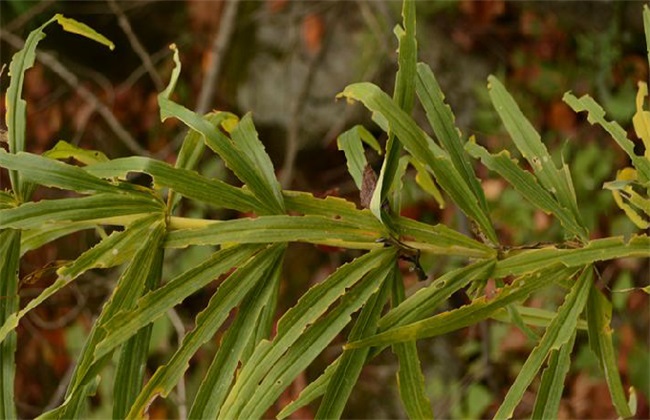
What causes yellowing leaves in polygonatum (Solomon's seal)
What causes yellowing leaves in polygonatum
-
Detailed Explanation of Key Points for High-Yield Cultivation Techniques of Polygonatum
High-Yield Cultivation Techniques for Polygonatum
-
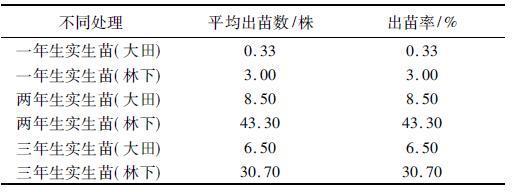
Effects of Different Ages of Seedling Polygonatum cyrtonema on Agronomic Traits and Yield
Effects of Different Ages of Seedling Polygonatum cyrtonema on Their Agronomic Traits and Yield Fund projects: National Basic Drug Needed Chinese Medicinal Material Seed and Seedling Breeding Base Construction Project (2015SZ0034); Sichuan Provincial Public Welfare Research Institutes Basic Research Project...
-
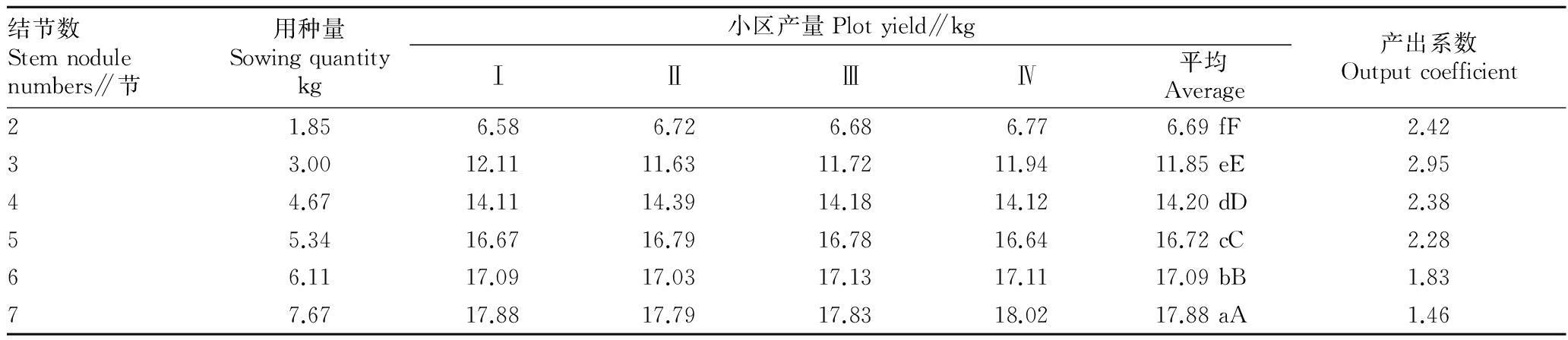
Effects of Rhizome Node Number of Polygonatum cyrtonema on Yield and Growth and Development
Effects of rhizome node number on the yield and growth and development of Polygonatum cyrtonema. In production, Polygonatum cyrtonema is mostly propagated by rhizomes, and because its rhizomes are bead-like or form nodular blocks, they are often called "seed rhizomes" [5]. The quality of the seed rhizome directly affects emergence and growth...
-
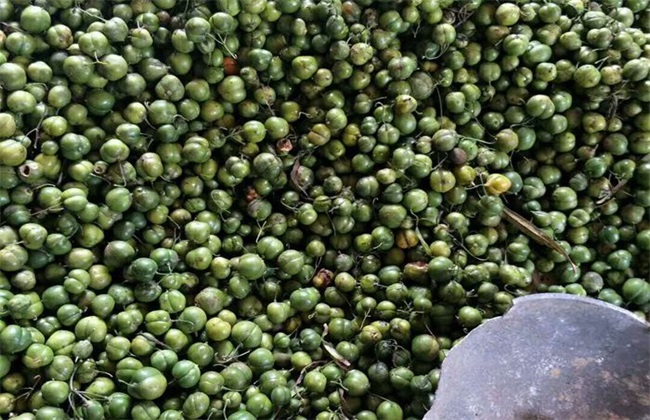
Detailed Explanation of Polygonatum Planting Methods and Timing
Polygonatum Planting Methods and Timing
-

Growing Polygonatum under Chinese torreya forests; intercropping in bamboo forests works just as well
Growing Polygonatum under Chinese torreya forests; intercropping in bamboo forests works just as well
-
What does Polygonatum look like? A detailed introduction to the morphological characteristics of Polygonatum
Polygonatum is a perennial herb. The rhizome is horizontal, fleshy, and pale yellow, sometimes with a protruding tip resembling a chicken's head. The stem is erect, 50-90 cm tall. The leaves are whorled, 4-6 per whorl, linear-lanceolate, 8-15 cm long and 04-1.6 cm wide, with curled tips. The flowers are axillary, usually in 2-4 small flowers, drooping, with the peduncle 1-2 cm long; the perianth is tubular, white to pale yellow, 0.9-1.2 cm long, with 6 shallow lobes at the tip, 6 stamens, the filaments relatively short, 0.5-1 mm long, and the style length
条件筛选