-

A Detailed Explanation of Polygonatum Planting Techniques and Management Methods
Polygonatum Planting Techniques
-

Bletilla striata intercropping methods: Polygonatum, turmeric, Pinellia, and corn vegetables can all be paired
Bletilla striata cultivation is a key research project of our institute. In order to make the land used for Bletilla striata cultivation produce greater value, we have also done some exploration of intercropping with Chinese medicinal herbs, and now we are sharing several...
-
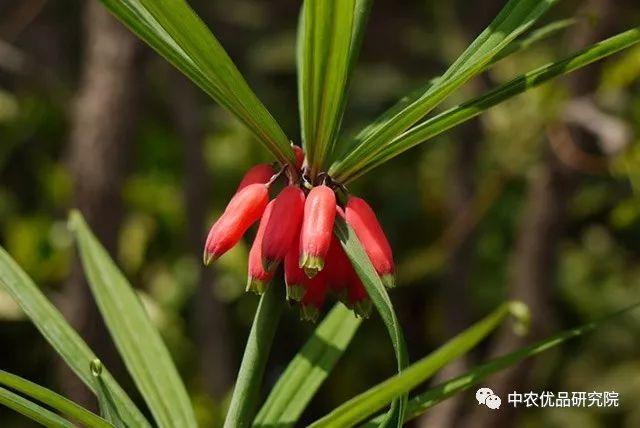
The essential edition of Polygonatum cultivation techniques, easy to understand at a glance
Polygonatum is the dried rhizome of the Liliaceae plants Polygonatum kingianum, Polygonatum sibiricum, or Polygonatum cyrtonema. According to differences in the original plants and the properties of the medicinal material, Polygonatum can be divided into ginger-type Polygonatum, chicken-head...
-

Propagation Methods and Cultivation Techniques of Polygonatum
Propagation methods: Propagated by rhizomes and seeds, mainly by rhizomes. 1. Site selection and land preparation: Choose loam soil with deep, fertile, loose and moist soil layers. Apply 2500 kg of decomposed compost or barnyard manure per 667 sq m, plow deeply 25-30 cm, then break up the soil finely and level it, and make beds 1.2 m wide. 2. Rhizome propagation: In late autumn or late March of early spring, dig out the underground rhizomes, cut them into small sections with 2-3 nodes, and air-dry them for half a day or 1 day to let the wounds heal. Open furrows at a row spacing of 20-25 cm, with a furrow depth of 6 cm, and at a plant spacing of 10-15
-
How to carry out field management of Polygonatum? Detailed explanation of the technical key points
(1) Intertillage and weeding: After emergence, weeding should be carried out frequently, especially during the seedling stage of sown fields, where timely weeding is even more necessary to prevent large weeds from overwhelming the seedlings and affecting growth. (2) Thinning and final thinning: When the seedlings are 5-8 cm tall, remove the overly dense small seedlings; before withering in autumn or after emergence the following year, carry out final thinning at a plant spacing of 8-10 cm. Take the thinned seedlings to a different location for transplanting. (3) Drought prevention and drainage: Polygonatum prefers moist soil. In dry weather, water promptly to keep the soil moist; in the rainy season, ensure good drainage to avoid water accumulation in the field and prevent root
-
Symptoms and Control Methods of Polygonatum Leaf Spot Disease
The disease begins in April to May. On affected leaves, elliptical or irregular lesions first appear at the leaf tip, with brownish outer edges and pale white centers; the disease spreads downward from the lesions, causing the leaves to wither and die. The disease is more severe during the rainy season. Control methods: 1) After harvest, clean the field and garden, gather the dead branches and diseased plant debris and burn them to eliminate the overwintering pathogen. 2) Before the disease occurs and in the early stages, spray 1:1:100 Bordeaux mixture, or 50% Tuzet (thiram) 1000x solution, once every 7 to 10 days, for 3 to 4 consecutive sprays.
-
How to select and prepare land when planting Polygonatum (Solomon's seal)
For planting Polygonatum, it is best to choose shaded, moist mountain land or relatively damp farmland, with fertile sandy loam or light clay soil. When using mountain land for planting, in spring and autumn clear the understory shrubs and weeds, dig and turn the soil about 30 cm deep, remove tree roots and other debris, rake it fine and level it, and make beds following the terrain and slope, ready for sowing or planting. When using farmland, plough and turn the soil before planting, and along with ploughing apply 3000 kg of organic fertilizer per mu, then make beds after land preparation for later use.
-

How to Propagate Polygonatum? Detailed Explanation of Propagation Methods
Propagation Methods of Polygonatum
-

How to grow Polygonatum to achieve high yields? A detailed explanation of the key cultivation techniques
High-yield Polygonatum cultivation techniques
-

Selection of Seed Rhizomes and High-Yield Cultivation Techniques for Polygonatum cyrtonema
Huangjing, also known as tiger ginger, wild mountain ginger, famine-relief grass, chicken-head ginseng, etc., is the dried rhizome of Polygonatum sibiricum, Polygonatum cyrtonema, or Polygonatum kingianum of the Liliaceae family. Based on differences in the original plant and the medicinal material's characteristics, Huangjing is divided into three types: chicken-head Huangjing, ginger-shaped Huangjing, and large Huangjing
条件筛选