-

Detailed Explanation of Shoot-Tip Tissue Culture Technology for Chinese Cymbidium
The new shoot growth period of Chinese cymbidium coincides with the hot, humid, rainy season in the south, when miscellaneous fungi proliferate rampantly, and the soil and media are especially severely contaminated with fungi. The potting medium used for inoculation sampling should carry as few miscellaneous fungi as possible, receive no organic fertilizer, and be placed in a light-transmitting, rain-sheltered location; when the new shoots first emerge, let the young shoots be exposed above the surface. Take new shoots 6-13 cm long, cut them high from the base of the plant, use a scraper to remove roots, debris and 2-3 outer sheath leaves; after thorough washing, cut the material again to 2-3 cm in length, and sterilize in a 10% hypochlorous acid solution for 10 minutes. If contamination
-
Detailed Explanation of Key Techniques for Polyculture of Snakehead and Chinese Carps
Polyculture of Chinese Carps in Ponds Mainly Culturing Snakehead Since bait is continuously applied in ponds mainly culturing snakehead, residual matter in the pond keeps increasing, and fish excrement also continuously increases, so the pond water becomes fertile quickly and is prone to aging. After polyculturing some Chinese carps, their mutually beneficial effects can be fully utilized, which can regulate water quality and increase fish yield. 1. Pond Conditions Ponds for monoculture of snakehead can be either earthen ponds or cement ponds. The area can be large or small, ranging from a few sq m to 600-2000 sq m, but it is best not to
-
Bonsai Creation Methods and Technical Key Points for Chinese Boxwood
Chinese boxwood, also known as small-leaved boxwood, thousand-year dwarf, etc., is an evergreen shrub or small tree of the genus Buxus in the family Buxaceae, native to the middle Yangtze River basin and areas to the south in China. It prefers warm, semi-shaded, humid climates, is drought-tolerant, cold-tolerant, and tolerant of pruning, is a shallow-rooted tree species, grows slowly, and has a long lifespan, making it an excellent tree material for bonsai. For bonsai material, one approach is propagation by sowing or cuttings, which, although it can yield large numbers of seedlings, not only takes a long time to cultivate but also makes it very difficult to obtain good material with gnarled roots and exposed claws, vigorous and ancient-looking. The second approach is digging up old stumps, and premium material is mostly obtained by
-
Courtyard Cultivation Methods and Technical Key Points for Chinese Orchids
Many orchid growers use courtyards as orchid sites for orchid cultivation. The advantage is that it is close to the ecological environment of the orchid's native habitat, which is beneficial to the growth and development of the orchid plants. The disadvantage is that light, temperature, moisture, and wind force are not easy to control, and the plants are prone to natural disasters, pests, and diseases, which to a certain extent restricts the growth of the orchid plants. Therefore, the following key problems must be solved with emphasis: Light. Orchids are semi-shade plants. They cannot do without sunlight, but strong sunlight is also harmful. In winter and spring they need full light, while in summer and autumn strong direct light must be blocked. If the courtyard faces south, move the orchid plants to the front of the house in winter and spring, and to the foot of the south wall in summer and autumn. If it faces north, move them to the foot of the north wall in winter and spring, and to the front of the door in summer and autumn. In summer and autumn, shade nets must be used for shading, and the shading degree should be no less than 70%. If conditions permit, climbing plants such as grapes, loofah, and chayote can also be planted in the courtyard in summer, which can both shade and cool the orchids and provide fresh melons and fruits for eating.
-
Key Technical Points for Spring Broodstock Conditioning of the Four Major Chinese Carps
Spring is an important period for the maturation of broodstock gonads. From the beginning of spring to spawning, a large amount of nutrients in the broodstock's body is diverted to gonad development, so broodstock conditioning should be intensified in spring to meet the needs of gonad development, promote timely maturation of broodstock and ensure smooth spawning. The conditioning techniques are: 1. Divide ponds early. Adjusting stocking density and species combination is the primary condition for good broodstock conditioning. The pond area for broodstock division should preferably be 2000-2600 sq m. Before dividing the ponds, first drain the pond water, remove wild trash fish, snails, mussels and harmful organisms, and at the same time remove part of the sludge
-

Detailed Explanation of the Key Technical Points for Growing Organic Chinese Cabbage
Organic Chinese Cabbage Growing Techniques
-
-
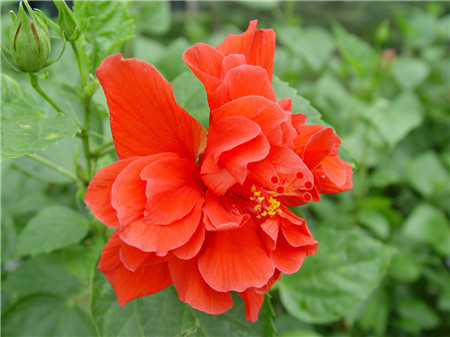
How to grow Chinese hibiscus? Detailed cultivation and management methods
Chinese hibiscus grows vigorously and has a long flowering period, so it needs plenty of nutrients, which means the potting soil must be very fertile. The potting soil mix for cultivating Chinese hibiscus should be prepared in different ratios according to its growth stage. During the growing period, pay attention to fertilizer management. After potting, place it in semi-shade. After 10-15 days of recovery, move it to a spot with plenty of sunlight.
-
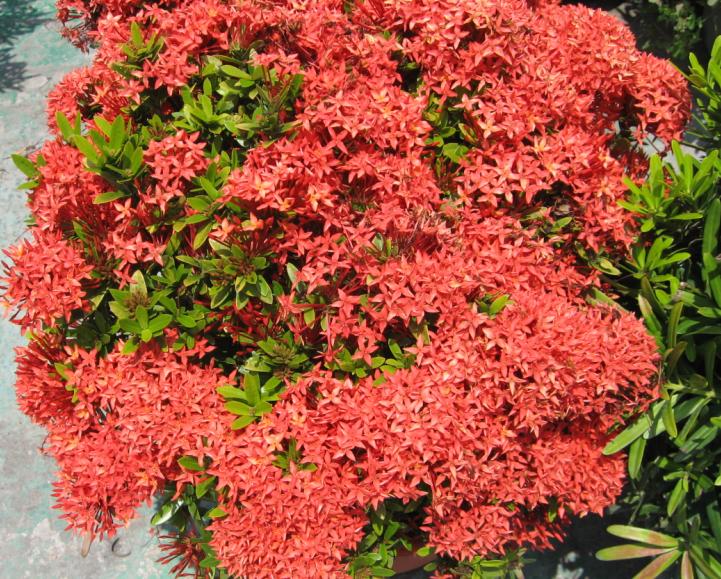
How to grow Chinese ixora (red hydrangea)? Cultivation methods and precautions
Chinese ixora is a common woody flowering plant; it can be found in parks, courtyards and other green spaces. Although the flowers of Chinese ixora are not large, they win by sheer quantity. Regardless of the variety or flower color, when in full bloom you see only round clusters of flowers hanging on the branches, with the leaves almost entirely submerged in a sea of flowers. Chinese ixora is native to tropical Asia
-
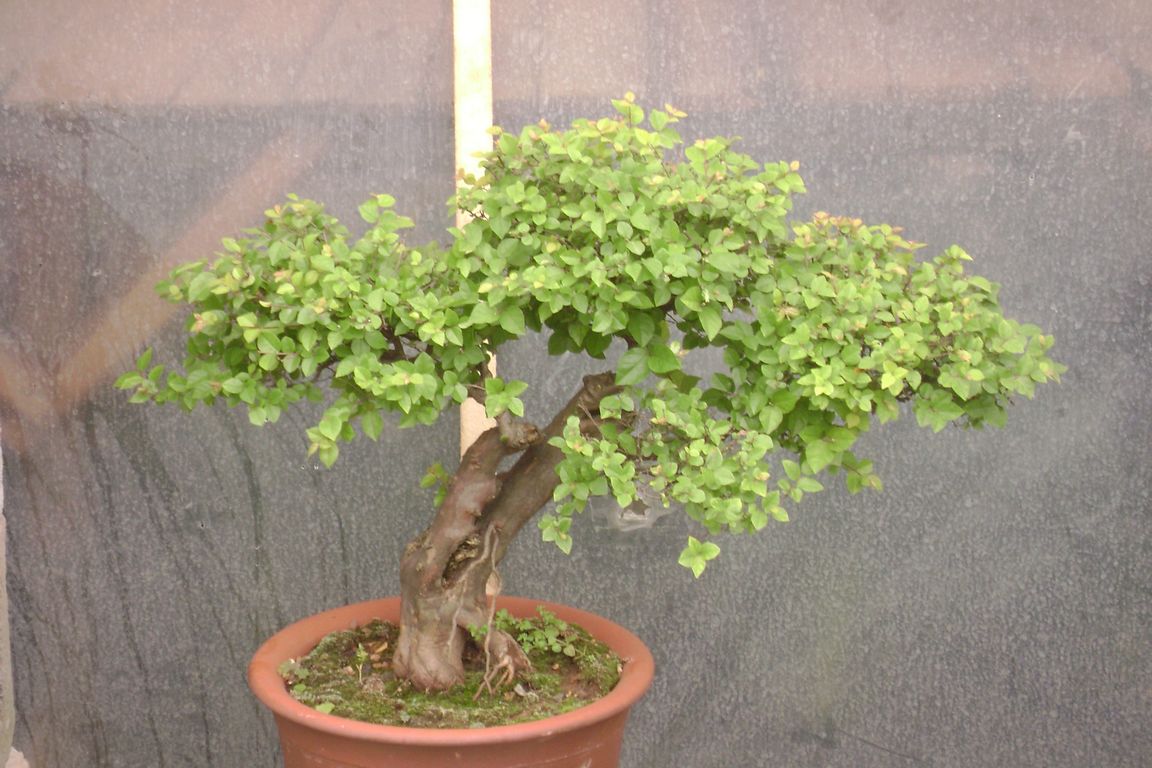
Sageretia thea (Chinese sweet plum) cultivation methods and precautions
1. Water must be sufficient. The water used is best natural water such as river water, pond water or rainwater. If tap water is used, it should be stored for one to two days so the chlorine escapes before use; this is more reliable. Laundry water containing soap, as well as water with grease or salt, must never be used. 2. Fertilizing must be done with care. If too much fertilizer is applied, the branches and leaves grow rank and leggy.
条件筛选