-
Traditional Chinese Medicine Analysis of Mycoplasma Synoviae in Poultry Farming
Traditional Chinese Medicine Syndrome Differentiation of Mycoplasma Synoviae. Mycoplasma synoviae disease is also known as infectious synovitis of chickens. The typical symptoms are swelling, lameness, and even deformity of the tarsal and metatarsal joints...
-
Clever use of the Chinese herbal medicine Acanthopanax senticosus in free-range chicken farming makes earning money easier
Acanthopanax senticosus is also one of the common Chinese herbal medicines. It generally grows mostly in the three northeastern provinces, Hebei and Shanxi, and is rarely seen in southern regions. It grows in forests and along roadsides, and is also...
-
An old Chinese medicine doctor says this vegetable, number one in cancer prevention, is looked down upon by 90% of people
Sweet potato leaves are hailed in China and around the world as the "queen of vegetables", the "longevity vegetable" and the "anti-cancer vegetable", and are a truly green vegetable product. Sweet potato leaves...
-
Hezhou Peony - Taxus chinensis (Chinese yew) cultivation methods and precautions
Hezhou Peony - Taxus chinensis (Chinese yew) cultivation methods and precautions. Every Christmas, we often use Taxus chinensis to make Christmas wreaths. It is a common plant in daily life and is also often used as a garden landscape tree.
-
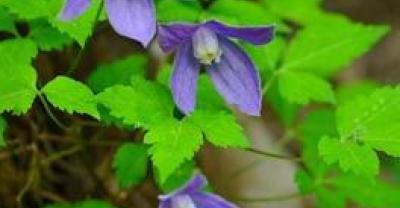
Cultivation Methods and Appreciation Points for Chinese Juniper Bonsai
Chinese juniper likes light, tolerates slight shade, is strongly cold-resistant, and also tolerates poor soil; it can grow in rock crevices; it is not demanding about soil and can adapt to both neutral soil and calcareous soil. But...
-

Artificial Stocking and Farming Techniques for Chinese Mitten Crabs in River Channels
Generally, river crabs are farmed in ponds. This requires escape-prevention facilities and the feeding of artificial bait, resulting in relatively high costs. Using river channel resources for artificial stocking of river crabs...
-
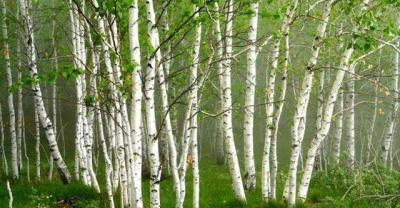
Detailed Explanation of the Cultivation Techniques and Ecological Habits of the Chinese Medicinal Herb Xuanshen (Scrophularia ningpoensis)
Ecological Habits and Cultivation Techniques of the Chinese Medicinal Herb Xuanshen 1 Ecological Habits of Xuanshen Xuanshen (Latin scientific name: Scrophularia ningpoensis Hemsl.) is...
-
Key Beekeeping Techniques for Chinese Honey Bees Building Comb
Chinese honey bees love new comb and dislike old comb. When keeping Chinese honey bees, be sure to seize the right moment to build new comb, so that new comb is used year-round. For Chinese honey bees to build comb, pay attention to the following st...
-
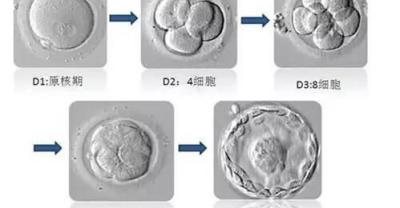
Growing Chinese medicinal herbs is another good way for farmers to get rich
Atractylodes macrocephala (baizhu) is a traditional bulk Chinese medicinal herb variety with strong cold resistance, wide adaptability, simple management and large market demand. In terms of cultivation, the only taboo is continuous cropping. Atractylodes macrocephala is planted on a large scale across northern and southern Hebei Province, especially in the surrounding areas centered on Anguo, such as Dingzhou, Boye, Lixian, Qingyuan, Xingtang, Wuji, Shenze and other places. In recent years, the Atractylodes macrocephala market has been relatively stable. In the peak year, the highest purchase price at origin for one-year-old improved Atractylodes macrocephala roots used as seed stock once reached seven or eight yuan per jin, while in ordinary years it remains at two to three yuan per jin. The net benefit per mu of one-year-old Atractylodes macrocephala is more than 3,000 yuan, and at its highest can reach more than 5,000 yuan, so the growing benefit is relatively considerable. For two-year-old Atractylodes macrocephala, selling seeds and roots together can bring a net benefit of more than 10,000 yuan per mu, and the growing benefit is even higher.
-
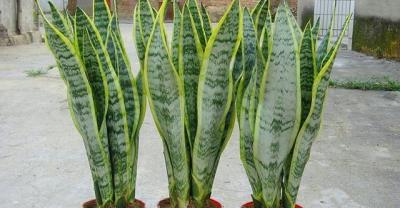
What are the planting precautions for Chinese sweet plum (Sageretia thea) bonsai?
What are the planting precautions for Chinese sweet plum bonsai? The roots and trunk of the Chinese sweet plum are naturally peculiar, and its tree form is vigorous and quaint; it is a major tree species for Chinese stump bonsai. The Chinese sweet plum likes humid...
条件筛选