Hezhou Peony - Taxus chinensis (Chinese yew) cultivation methods and precautions
Hezhou Peony - Taxus chinensis (Chinese yew) cultivation methods and precautions
Every Christmas, we often use Taxus chinensis to make Christmas wreaths. It is a common plant in daily life and is also often used as a garden landscape tree. How can we grow Taxus chinensis better?
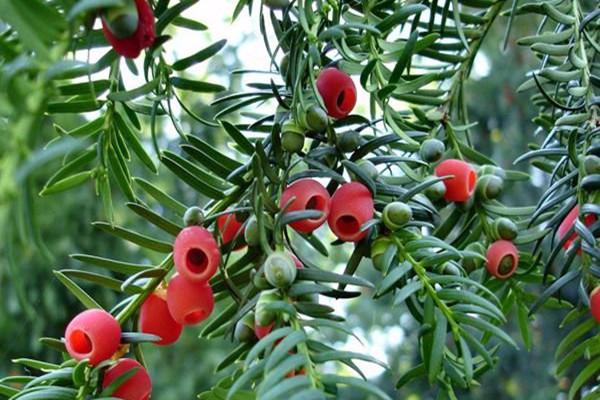
Taxus chinensis cultivation methods
Soil for Taxus chinensis
Taxus chinensis requires soil with a pH value between 5.5-7.0. The best soil is loose, moist, well-drained, fertile acidic sandy soil with high organic matter content. You can mix garden soil, peat soil and sand together, then add a small amount of decomposed organic fertilizer.
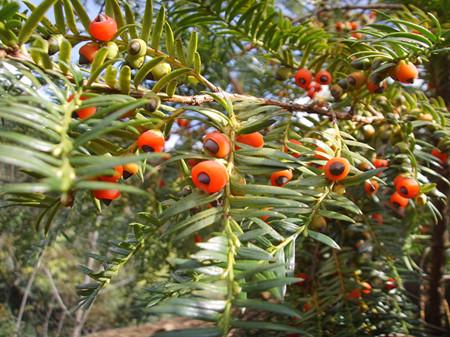
Light for Taxus chinensis
Taxus chinensis prefers shade and cool conditions. It needs appropriate shading to avoid direct sunlight, so as to prevent water evaporation that causes branches and leaves to dehydrate and leaves to dry up. In summer, place it indoors; in the evening, it can be placed on a windowsill for ventilation. Although Taxus chinensis does not like sunlight, it cannot go without sunlight either. In climates with weak sunlight, it can appropriately receive sunlight exposure.
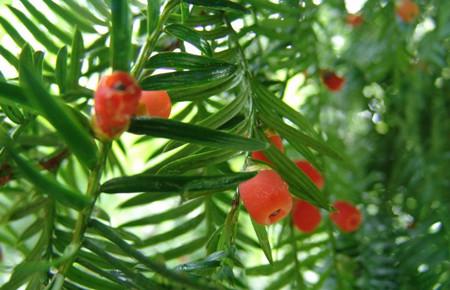
Watering Taxus chinensis
Taxus chinensis needs more watering during the growing season and less watering during the dormant period. Specifically, water once every 5-7 days in spring and autumn, once every 3-5 days in summer, and water thoroughly once every 7-10 days in winter. At the same time, it should also be based on actual growth conditions. Generally, normal Taxus chinensis leaves are upright and glossy. If the leaf surface appears wilted, water it; if the leaf surface droops, it indicates severe water shortage, so water it; if the sound is hollow when you tap the flower pot, water it too.
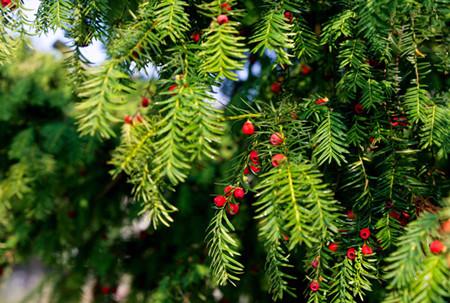
Fertilizing Taxus chinensis
When cultivating Taxus chinensis, fertilize it in a timely manner. Use 0.2 jin of organic fertilizer and 0.02 jin of compound fertilizer per plant. At the same time, some farmyard manure, cake fertilizer, etc. can be added.
Temperature for Taxus chinensis
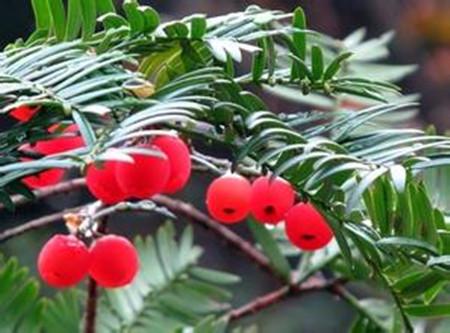
Taxus chinensis likes a cool and moist climate environment and can withstand low temperatures of minus 30°C. The most suitable growth temperature is 20-25°C. In winter, no excessive warming measures are needed. When the summer temperature is too high, pay attention to shading.
Pest and disease prevention for Taxus chinensis
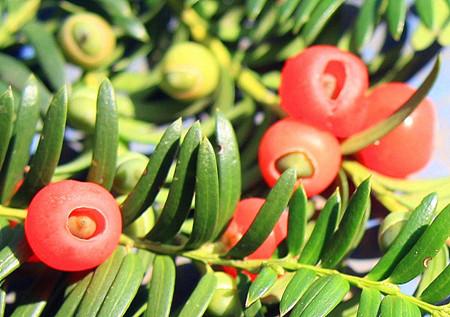
Under normal growing conditions, Taxus chinensis rarely suffers from insect pests. If yellowing or pests occur, watering or spraying with thiophanate-methyl and monopotassium phosphate is sufficient. During the rainy season, Taxus chinensis may develop root rot, stem rot and rotten roots, which should be prevented with fenaminosulf. In high-temperature and dry seasons, Taxus chinensis is prone to leaf blight and red blight, which should be prevented and controlled by spraying Bordeaux mixture.
Precautions for Taxus chinensis
Temperature precautions
In summer, it must not be exposed to air conditioning, and in winter, it must not be placed near heating.
Watering precautions
When watering, it is not suitable to use tea water for irrigation. Overwatering can cause root rot in Taxus chinensis.
Fertilizing precautions
When fertilizing, apply it along the edge of the pot as much as possible, and do not get it close to the roots of Taxus chinensis. Newly purchased Taxus chinensis already has nutrient soil, so no fertilizing is needed for the first 3 months.