Cultivation Methods and Appreciation Points for Chinese Juniper Bonsai
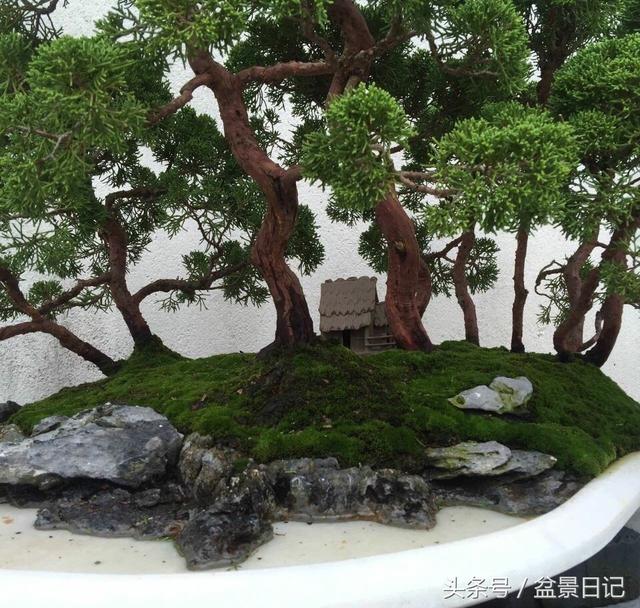
Chinese juniper likes light, tolerates slight shade, is strongly cold-resistant, and also tolerates poor soil; it can grow in rock crevices; it is not demanding about soil and can adapt to both neutral soil and calcareous soil. But fertile, deep soil rich in humus is most suitable.
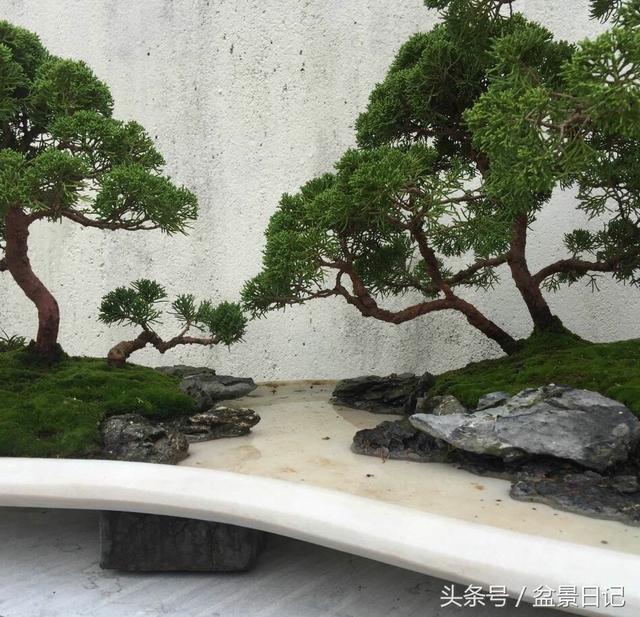
It is distributed in China's northeast in the Zhangguangcai Range, in mountain areas at an altitude of 1400 m. It is also distributed in the Soviet Union and Japan. Artificial propagation: Chinese juniper is usually propagated by cuttings or layering.
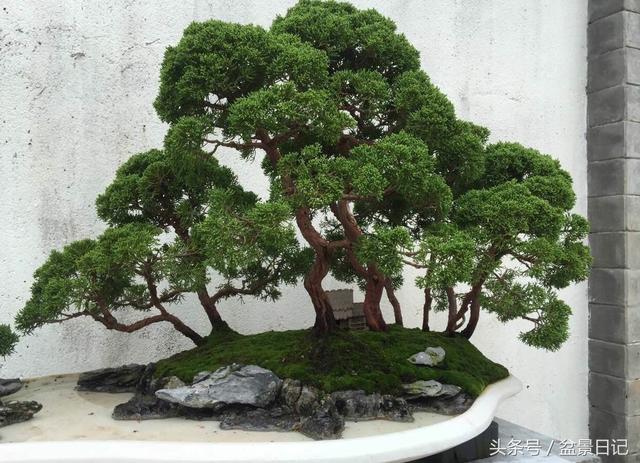
Pot selection: Chinese juniper is suitable for purple porcelain ceramic pots, and large bonsai can also use carved stone pots. The shape of the pot is preferably medium-deep rectangular, oval, square, round, hexagonal, etc.; for cascade style, a deep cylindrical pot can be used.
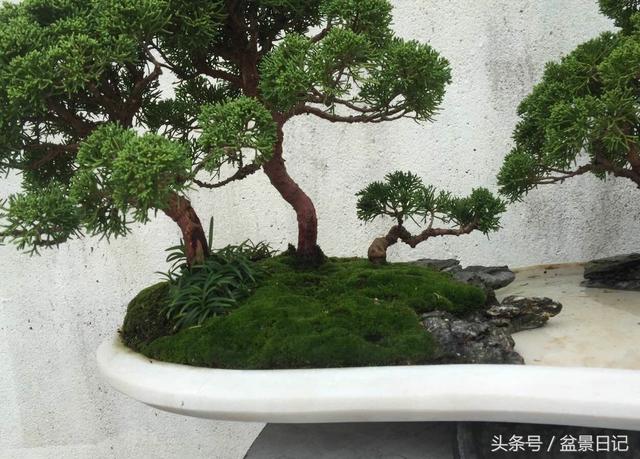
Soil: Chinese juniper is suitable for fertile, loose neutral soil or calcareous soil. For pot cultivation, humus soil mixed with charcoal crumbs or blended with sand is commonly used.
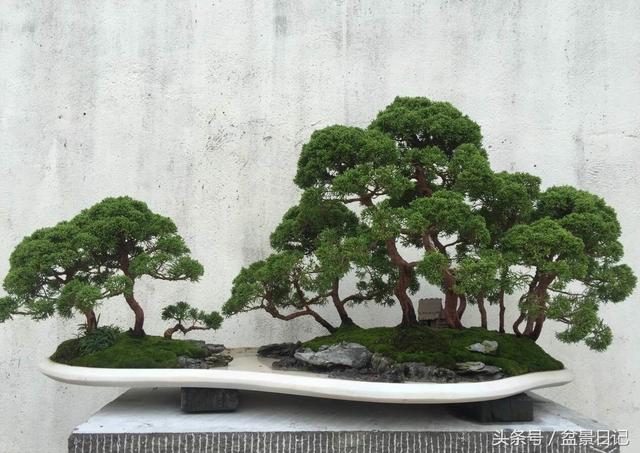
Planting: It is best carried out in spring from March to April, and it can also be done in autumn. When planting, pay attention to placing a tile at the drainage hole to leave space so as to facilitate drainage. After planting in the pot, the first watering should be thorough, and thereafter water again only when slightly dry.