-
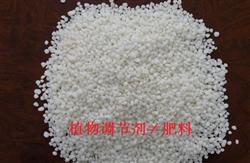
What are the precautions for using plant regulators?
What should be noted when using plant regulators? What needs special attention? Experienced netizens are also asked to help explain. The scientific use of plant regulators can promote plant growth, increase the fruit-setting rate of crops, make crop fruits expand, increase crop yield, and accelerate crop fruit ripening. If used improperly...
-
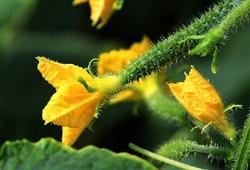
What is the difference between foliar fertilizer and plant growth regulators?
What is the difference between foliar fertilizer and plant growth regulators? We also ask knowledgeable readers to help explain. During a recent visit to rural areas, it was found that some farmers do not fully understand the functions of foliar fertilizers and plant growth regulators. Therefore, Zhongdi Web has compiled the differences between the effects of foliar fertilizers and plant growth regulators, listed below for...
-
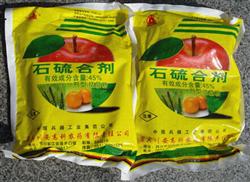
What are the types of fungicides? A detailed introduction to the common types
What are the types of fungicides? What are their main functions? We also ask knowledgeable readers to help explain. Fungicides are agents that, at a certain dose or concentration, kill, inhibit or neutralize the toxic metabolites of pathogenic bacteria, thereby protecting plants and their products from bacterial harm or eliminating the disease and its symptoms. Zhongdi Network has compiled...
-
What precautions should be taken when using laundry detergent to control aphids?
What should be noted when using laundry detergent to control aphids? When is the best time to apply it? Experienced readers are also asked to share their advice. Nowadays, pollution-free food is popular, so many gardeners have turned to laundry detergent for aphid control, such as using synthetic laundry detergent to control aphids on fruit trees. It is safe, non-toxic and economical, making it the first choice for aphid control...
-
Thifensulfuron-methyl: A Detailed Guide to Its Effects and Application Methods
What are the effects of thifensulfuron-methyl? How is it used? We ask knowledgeable readers to help explain. On the market, thifensulfuron-methyl wettable powder herbicides at 10%, 15%, 20%, 25% and 75%, as well as a 75% thifensulfuron-methyl aqueous solution herbicide, are commonly seen. Many readers are still not very familiar with thifensulfuron-methyl herbicide...
-
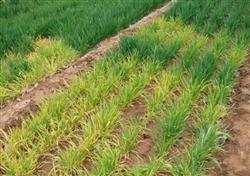
The Meaning of Pesticide Phytotoxicity and Remedial Methods
What is pesticide phytotoxicity? What methods are there to remedy it? I hope experienced netizens can help explain. What is commonly called crop phytotoxicity refers to various morbid reactions shown by crops due to improper use of pesticides. Therefore, Zhongdi Network has compiled the manifestations of pesticide phytotoxicity and some remedial methods, listed below for netizens' reference....
-
What are soil-dwelling pests? Common species explained clearly in one go
What are soil-dwelling pests? What do the damage symptoms look like? We ask knowledgeable readers to help explain. Soil-dwelling pests generally refer to pests that live in the soil for their whole life or for a certain stage of their life, mainly feeding on the underground parts of crops, seeds, seedlings or the main stem near the soil surface, causing affected crops to wilt and grow slowly...
-
Why spray cucumber plants with ethephon in summer and autumn?
Why should cucumbers be sprayed with ethephon in summer and autumn? How do you spray cucumbers with ethephon? Experienced netizens are also asked to help explain, because the cucumber is a monoecious crop with unisexual flowers pollinated by cross-pollination, and the timing and number of female and male flowers appearing have a decisive impact on cucumber yield and economic returns. During the summer and autumn cucumber growth and development stage...
-
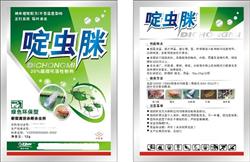
What are the effects and usage methods of acetamiprid?
What are the effects of acetamiprid? What are the usage methods of acetamiprid? We also ask knowledgeable netizens to help introduce the acetamiprid insecticide available on the agricultural input market as 3%, 5%, 10% emulsifiable concentrates or 5%, 10%, 20% wettable powders, but some farmers are not very familiar with the effects and usage methods of acetamiprid, so Zhongdiwang has compiled...
-
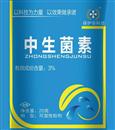
What are the functions of the fungicide zhongshengmycin?
What are the functions of zhongshengmycin? How is zhongshengmycin used? Experienced netizens are also asked to help explain. Currently on the agricultural input market there are 3% wettable powder and 1% aqueous solution agricultural antibiotic products of zhongshengmycin. When visiting villages, some farmers did not understand the functions and usage methods of zhongshengmycin, so Zhongdiwang compiled this...
条件筛选