What are the functions of the fungicide zhongshengmycin?
What are the functions of zhongshengmycin? How is zhongshengmycin used? Experienced netizens are also asked to help explain. Currently on the agricultural input market there are 3% wettable powder and 1% aqueous solution agricultural antibiotic products of zhongshengmycin. When visiting villages, some farmers did not understand the functions and usage methods of zhongshengmycin, so Zhongdiwang compiled this...
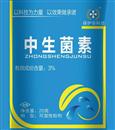 What are the functions of zhongshengmycin? How is zhongshengmycin used? Experienced netizens are also asked to help explain
Currently on the agricultural input market there are 3% wettable powder and 1% aqueous solution agricultural antibiotic products zhongshengmycin. When visiting villages, some farmers did not understand the functions and usage methods of zhongshengmycin, so Zhongdiwang compiled the functions and application methods of zhongshengmycin, listed in detail below for netizens' reference.
Functions of zhongshengmycin:
Zhongshengmycin is a broad-spectrum household bactericidal antibiotic. Zhongshengmycin can inhibit bacterial cell protein synthesis and cause fungal hyphae to become deformed, thereby inhibiting spore germination and killing spores, causing harmful bacteria and pathogenic bacteria to lose effectiveness, such as Gram-positive and Gram-negative bacteria, mycobacteria, yeasts and fungi. Zhongshengmycin can be used to control bacterial diseases such as rice bacterial leaf blight and bakanae disease, vegetable bacterial angular leaf spot, bacterial blight, soft rot, and fruit canker, anthracnose, and alternaria leaf spot.
Usage methods of zhongshengmycin:
1. For controlling rice bacterial leaf blight and bakanae disease: use 3% zhongshengmycin wettable powder 300-fold solution to soak seeds for 5~7 days, and at the early stage of disease occurrence use 3% zhongshengmycin wettable powder 800~1000-fold solution for spraying.
2. For controlling cucumber bacterial angular leaf spot, kidney bean bacterial blight, and watermelon bacterial fruit rot: at the early stage of disease occurrence, use 3% zhongshengmycin wettable powder 800~1000-fold solution for spraying, for a total of 3~4 sprays, with an interval of 7~10 days.
3. For controlling Chinese cabbage soft rot and eggplant bacterial wilt: at the early stage of disease occurrence, use 3% zhongshengmycin wettable powder 800~1000-fold solution for spraying or drenching, requiring 3~4 applications.
4. For controlling ginger blast: during the growth period, use 600~800-fold solution for root drenching, using about 0.25 kg of solution per plant, requiring 3~4 root drenchings.
5. For controlling apple ring rot, anthracnose, alternaria leaf spot, and mouldy core, grape anthracnose and black pox, and watermelon fusarium wilt and anthracnose: starting at the early stage of disease occurrence, use 3% zhongshengmycin wettable powder 800~1000-fold solution for spraying, for a total of 3~4 sprays, with an interval of 5~7 days. For apples, application can be carried out during the flowering period.
Points to note when applying zhongshengmycin:
Note 1: Neither zhongshengmycin wettable powder nor aqueous solution may be mixed with alkaline pesticides.
Note 2: Zhongshengmycin has a significant effect when used for prevention and at the early stage of disease occurrence; when spraying zhongshengmycin, it should be done evenly and with full coverage of the crop plants; if rain occurs after application, it should be re-applied.
How are aphids controlled?
What types of fungicides are there?