-
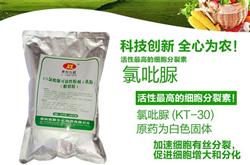
What is forchlorfenuron? A detailed explanation of this plant growth regulator
What effects and functions does forchlorfenuron have? What are the results of applying forchlorfenuron? What are the benefits of using forchlorfenuron? The following brief introduction is provided by Gengzhongbang Planting Network for netizens' reference. Forchlorfenuron, also called chlorfenuron, is a plant growth regulator. It is widely used in agriculture, horticulture and fruit trees, promoting...
-
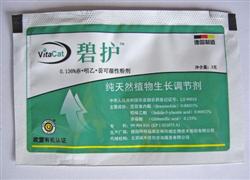
What methods are there for removing herbicide residues?
What methods are there for removing herbicide residues? Which pesticides can solve the problem of herbicide residues? I ask fellow netizens who know about this to help explain. Some functional plant nutrient agents can effectively relieve the phytotoxicity caused by herbicide residues and promote growth. 1. "Bihu": "Bihu" comes from plant seeds, is not artificially synthesized but processed by physical methods...
-
Why do some herbicides work fast and others work slowly?
Why is there a difference between herbicides that work fast and those that work slowly, and what is the reason? Is there a netizen who can explain? General herbicides can be divided by their translocation within the plant into two types: systemic and contact. After a systemic herbicide is absorbed by a weed, it moves laterally and vertically through the weed's vascular tissue...
-
What kind of insecticide is tebufenozide? A detailed explanation of its effects and uses
When was tebufenozide invented? What are the characteristics of tebufenozide? Which pests can tebufenozide control? The following brief introduction is provided by Gengzhongbang Planting Network for the reference of netizens. Tebufenozide, chemical name 1-(1,1-dimethylethyl)-1-(4-ethylbenzoyl)-3,5-dimethyl...
-
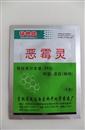
What is the difference between pesticide dusts and wettable powders?
What are the characteristics of dusts and wettable powders? How do dusts differ from wettable powders? Can dust and wettable powder pesticides be mixed? The following brief introduction from Gengzhongbang Planting Network is for netizens' reference. Dusts and wettable powders are two common pesticide formulations, and the physical properties of these two formulations...
-

What do soft water and hard water mean respectively?
What are the characteristics of soft water? What are the characteristics of hard water? Why can't hard water be used to dilute pesticides? Gengzhongbang Planting Network gives a brief introduction below for netizens' reference. Water is divided into hard water and soft water. So-called hard water refers to water such as well water, brackish water, seawater and the like that contains relatively large amounts of calcium, magnesium and other substances, with hardness generally at 1...
-
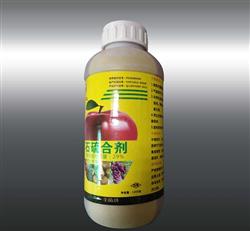
What are the precautions for using lime sulfur mixture?
Which diseases can lime sulfur mixture control? What should be noted when applying lime sulfur mixture? What are the precautions for using lime sulfur mixture? The following brief introduction is provided by Gengzhongbang Planting Network for netizens' reference. Lime sulfur mixture kills pests, diseases and eggs by penetrating and corroding the bodies of pathogens and pests. It is a...
-
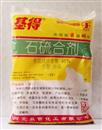
How should lime sulfur mixture be used to achieve good results?
How is lime sulfur mixture applied? How can lime sulfur mixture improve its efficacy? When can lime sulfur mixture be used? The following brief introduction is provided by Gengzhongbang Planting Network for netizens' reference. Lime sulfur mixture is a fungicide used in agriculture, made by boiling quicklime and sulfur with water. Lime sulfur mixture is made from quicklime...
-
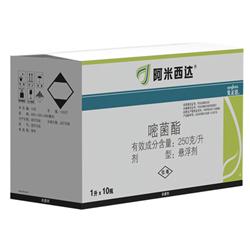
What kind of pesticide is Amistar? A comprehensive guide in one article
What is another name for Amistar? How does the Amistar fungicide work? What are the characteristics of the Amistar fungicide? Which diseases can Amistar control? The following brief introduction from Gengzhongbang Planting Network is for readers' reference. Amistar is also called azoxystrobin, English common name: Azoxyst...
-
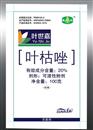
What is Yekuzuo? Let's get to know this agricultural fungicide
What other names does Yekuzuo have? What diseases can the Yekuzuo fungicide control? How should the Yekuzuo fungicide be used? The following brief introduction from Gengzhongbang Planting Network is provided for readers' reference. 1. What is Yekuzuo? Yekuzuo is a systemic fungicide, highly effective and low in toxicity. Yekuzuo has obvious effects on seedling death, root rot, soft rot, canker, bacterial wilt, angular leaf spot, shot hole and other diseases caused by bacteria.
条件筛选