The Criteria for Classifying Beneficial and Pest Insects and Their Ecological Significance in the Field
Beneficial insects and pest insects are two categories of insects divided according to their relationship with human interests. Beneficial insects generally refer to species that can help pollinate crops, prey on or parasitize other pest insects, or participate in decomposing organic matter; common examples include honeybees, ladybugs, green lacewings, and parasitic wasps. Pest insects refer to insects that feed on crops, damage stored goods, or spread diseases and pests, such as planthoppers, aphids, and stem borers.
It should be noted that this division is based on the human production perspective, not on any inherent property of the insects themselves. The same insect may swap roles in different scenarios; some moth larvae are regarded as pests when they chew on crops, yet the adults can help pollinate plants. Therefore, field management should focus more on the overall ecological balance rather than simply eliminating a certain type of insect.
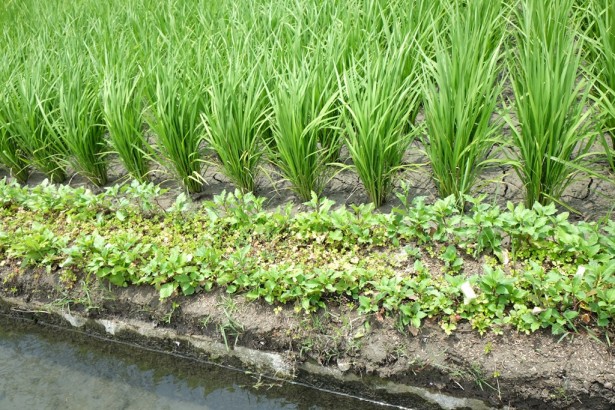
In agricultural production, protecting and utilizing beneficial insects is an important way to control pest insects. Ladybugs preying on aphids, and parasitic wasps suppressing moth larvae, can both reduce dependence on chemical pesticides; microbial preparations such as Beauveria bassiana, which use pest insects as hosts, also fall within the scope of biological control. Planting flowers and grasses on field ridges, setting up hedgerows, or adopting sod culture can provide nectar sources and habitats for natural enemies, allowing beneficial insects to settle and reproduce in the field.
In daily management, it should also be noted that broad-spectrum insecticides often harm beneficial insects while killing pest insects, and long-term use may also lead to pest insects developing resistance. By contrast, ecological cultivation methods that also accommodate the habitat conditions of beneficial insects can both control pest insect numbers and help improve the soil and surrounding environment, making them an important direction for sustainable agriculture.
Related Reading