Bergamot Benefits, Culinary Uses, and Essential Oil Pairing Guide
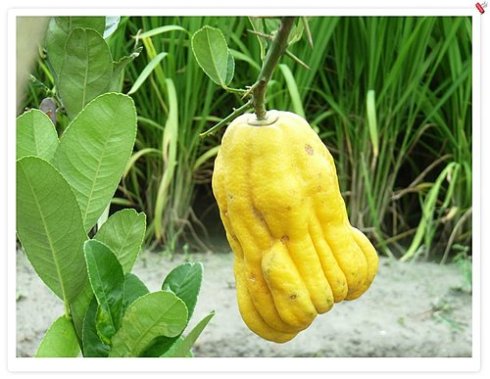
Bergamot is a type of orange-citrus fruit that gets its name because its appearance resembles the palm of Buddha's hand, so it is named accordingly. The cultivation method for bergamot is relatively easy. In the early days in Hakka villages, the older generation would plant a bergamot pomelo in front of their doors, and when the fruit ripened,
Bergamot is a type of orange-citrus fruit that gets its name because its appearance resembles the palm of Buddha's hand,the cultivation method for bergamotis relatively easy.In the early days in Hakka villages, the older generation would plant a bergamot pomelo in front of their doors, and when the fruit ripened, they would cut open the peel, dry the flesh in the sun, and brew it as tea, which was very helpful for relieving cough and reducing phlegm. Walking into the orchard, one could almost be startled -- among the lush green trees, how could there be palms hanging up there? It turned out to be genuine fruit, shaped like Buddha's fingers, which the fruit farmers called bergamot.
Bergamot is a unique fruit of the Hakka people. Since the Qing Dynasty period of Taiwan's reclamation, bergamot began to be cultivated. Not only is its appearance special, but its flesh also has the effect of relieving cough and reducing phlegm.
When bergamot is combined with golden fragrant pomelo and kumquat, it becomes golden bergamot, rich in vitamins as well as natural pectin and dietary fiber. With the boost of its prestigious name, bergamot's value soared, making it a new favorite in the market.
The bergamot fruit is elongated and oval, with the front end splitting open like fingers, and its surface has wrinkles, hence the name bergamot. Its flavor resembles sweet orange yet also lemon, refreshing and fragrant, similar to the taste of traditional Chinese medicine dried tangerine peel.
Bergamot is very beneficial for dealing with digestive problems, especially stomach pain, bloating, indigestion, and belching. It also helps regulate appetite, whether for loss of appetite or overeating. It also helps with cystitis and urethritis. Since bergamot has excellent sterilizing properties, using it in baths, sitz baths, or as a localized body disinfectant can help prevent the spread of infection and relieve itching symptoms of the external genital organs.
For people who are anxious, depressed, melancholic, or nervous, bergamot can help relax the mood and ease tension. It is also beneficial for oily skin types and various stress-induced skin problems, such as eczema, psoriasis, acne, pimples, and seborrheic dermatitis. Bergamot is also very helpful for various symptoms of respiratory tract infections. Combined with its powerful sterilizing effect and fresh scent, it is very suitable for use as an air freshener.
It is suitable for blending with essential oils such as chamomile, coriander, cypress, eucalyptus, geranium, juniper, jasmine, lavender, lemon, marjoram, neroli, palmarosa, patchouli, and ylang-ylang.
Generally, bergamot contains coumarin (bergapten) compounds, making its composition relatively complete. It has better therapeutic effects for emotional or psychological problems. However, coumarin compounds are photosensitive, increasing the skin's reaction to sunlight, making the skin prone to tanning, and also irritating sensitive skin. Therefore, extra caution is needed when applying it to the skin. When used for massage or bathing, it must first be diluted to below 2%, and after use, sun exposure should be avoided as much as possible. Therefore, it is recommended to use it for aromatherapy, or to use it only at night, to avoid the large amount of ultraviolet rays in sunlight.