Medicinal Plant Production Requires Attention to Variety Selection and Cultivation Management
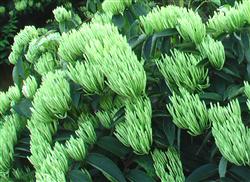
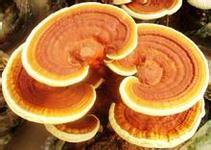
Medicinal plant production refers to the production activities of cultivating, managing, harvesting and processing plants that are sources of traditional Chinese medicinal materials for medicinal purposes, and it is the source link of the traditional Chinese medicinal materials industry. Its scope is relatively broad, covering both herbaceous or woody medicinal plants such as Japanese honeysuckle (Lonicera japonica), goji (Lycium barbarum) and codonopsis (Codonopsis pilosula), and the artificial cultivation of medicinal fungi such as reishi (Ganoderma lucidum).
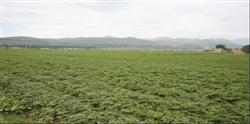
Compared with ordinary crops, medicinal plant production places greater emphasis on quality. For the same variety, different production area environments may lead to differences in the accumulation of active ingredients, so production often stresses adapting measures to local conditions and choosing suitable production areas. Some medicinal plants have a long growth cycle, and their management also requires more patience and sustained investment.
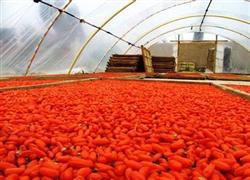
Common production targets are rich in variety, and the medicinal parts differ from one to another. Japanese honeysuckle uses flower buds as medicine, licorice (Glycyrrhiza), purple parsnip (Peucedanum praeruptorum) and codonopsis use roots as medicine, goji uses fruits as medicine, and reishi belongs to the medicinal fungi. Different species vary greatly in harvest time and harvest years, and production arrangements also have different emphases.
In actual production, site selection and land preparation, propagation and seedling raising, water and fertilizer management, and pest and disease control are several basic steps. Because traditional Chinese medicinal materials have high safety requirements, the use of pesticides must be especially cautious, and green control measures such as agricultural measures and physical methods should be adopted as much as possible. Air-drying, drying and preliminary processing after harvest also affect the quality of the medicinal materials and must not be neglected.
Developing medicinal plant production can both meet the demand of the traditional Chinese medicine industry for raw materials and provide growers with a way to increase income. Understanding variety characteristics and mastering standardized production techniques are an important foundation for obtaining stable returns.
Related Reading