Changium smyrnioides Artificial Cultivation Techniques and Key Field Management Points
Changium smyrnioides is a perennial herb of the genus Changium in the Apiaceae family. Its dried root can be used as medicine and is a traditionally commonly used Chinese medicinal material, mainly produced in Jiangsu, Anhui, Zhejiang and other areas along the middle and lower reaches of the Yangtze River. It should be noted that it is not the same type of plant as Codonopsis pilosula (poor man's ginseng) of the Campanulaceae family, and the two should be distinguished when purchasing and using. Changium smyrnioides prefers a cool and humid climate and avoids high temperatures and waterlogging. It mostly grows wild under sparse forests on hillsides. As wild resources are increasingly dwindling, carrying out artificial cultivation is of great significance.
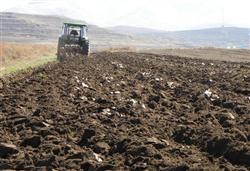
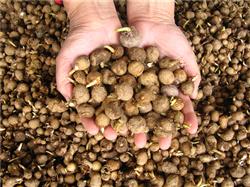
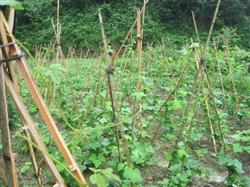
For artificial cultivation of Changium smyrnioides, it is advisable to choose sandy loam with deep, loose, fertile soil and good drainage, with semi-shaded and semi-sunny slope land being most suitable. Propagation is mainly by direct seeding, mostly sown in autumn or spring. Seedlings are afraid of direct strong light and need appropriate shading. During the growth period, weeding, topdressing and drainage during the rainy season should be done well, and attention should be paid to diseases such as root rot, which can be prevented through crop rotation and improving field ventilation conditions.
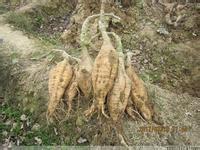
Changium smyrnioides has a relatively long growth cycle and generally requires continuous cultivation for several years. After the roots have fully grown, they are harvested in batches. After digging, the fibrous roots are removed, washed and processed before being used as medicine. Its root is mostly cylindrical or spindle-shaped, pale yellowish-white on the surface, and solid in texture. In traditional Chinese medicine applications, Changium smyrnioides is sweet with a slight bitterness and slightly cold in nature, and has the effects of moistening the lungs and resolving phlegm, nourishing yin and harmonizing the stomach. It is often used for symptoms such as lung-heat cough and poor appetite with dry mouth.
It should be noted that Changium smyrnioides is rather cold in medicinal nature, and its specific medicinal use should be carried out under the guidance of a doctor. As artificial cultivation techniques continue to mature, developing Changium smyrnioides planting can not only ease the pressure on wild resources, but also bring relatively good returns to growers. It is one of the characteristic medicinal material varieties suitable for development in mountainous areas.
Related Reading