Key Points on Propagation Methods and Seedling Techniques for Angelica sinensis
Angelica sinensis is a commonly used medicinal plant. In production, it is mainly propagated from seed, primarily through two methods: seedling transplanting and direct seeding. Seedling transplanting allows for centralized management and a higher survival rate, and is the propagation method adopted in most production areas.
When selecting plants for seed production, choose robust plants free of pests and diseases; usually it is best to collect seed from Angelica sinensis plants that have grown for about three years. Harvest the fruit promptly once it ripens, dry it and thresh it, then store it in a ventilated, dry place to prevent the seed from absorbing moisture and becoming moldy, which would reduce the germination rate.
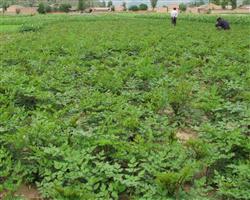
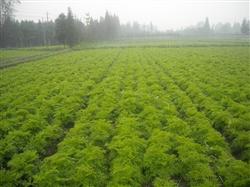
For seedling raising, choose a plot with deep soil, loose and fertile texture and good drainage as the seedbed. Before sowing, work the soil fine, rake it level and apply sufficient base fertilizer. Sowing can be done by broadcasting or in drills; after sowing, cover with a layer of fine soil and provide appropriate shading to conserve moisture, keeping the soil moist before emergence. During the seedling stage, weed and thin promptly to avoid seedlings growing spindly from being too crowded.
After about one year of cultivation, the seedlings can be lifted and transplanted. Choose seedlings with intact root systems, free of damage and disease, and set them out at an appropriate spacing between plants and rows. Note that overly large seedlings or improper storage can easily cause premature bolting, so the seedling age and size should be well controlled. Direct seeding can omit the seedling-raising step, but it requires a larger amount of seed and demands higher field management; growers can flexibly choose a propagation method based on local climate and cultivation conditions.
Related Reading