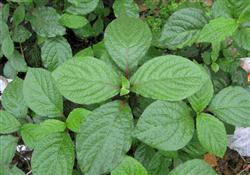
Atractylodes macrocephala planting management: focus on water and fertilizer regulation and disease control
Atractylodes macrocephala (baizhu) is a perennial herb in the Asteraceae family, with its rhizome used as medicine; it has effects such as strengthening the spleen and benefiting qi, and is one of the commonly used bulk Chinese medicinal materials in China. Atractylodes macrocephala prefers a cool climate and fears high temperature and high humidity, and is mostly suitable for planting in deep, well-drained sandy loam soil. Because its growth period is relatively long, whether field management is adequate will directly affect the yield and quality of the rhizome.
The key to Atractylodes macrocephala planting management lies in water and fertilizer regulation. During the seedling stage, the water requirement is not great, and keeping the soil alternately dry and moist is sufficient; once the rainy season arrives, trenches should be cleared and drainage done in time to prevent waterlogging in the field from causing root rot. In terms of fertilization, the principle of applying sufficient base fertilizer and topdressing in several split applications should be followed; in the early stage, nitrogen fertilizer is mainly used to promote robust seedling growth, while during the rhizome enlargement stage, phosphorus and potassium fertilizer should be appropriately increased, avoiding excessive nitrogen application alone, which leads to excessive vegetative growth.
Disease control is a key part of Atractylodes macrocephala management; common diseases mostly occur under high temperature and high humidity conditions, mainly damaging the rhizome and leaves. In production, measures such as crop rotation, selecting disease-free and robust planting material, and timely drainage after rain can reduce the probability of disease occurrence. Once diseased plants are found, they should be removed promptly and taken out of the field for disposal, and at the early stage of disease, corresponding pesticides should be sprayed to control the spread.
In addition, routine operations such as intertillage, weeding and flower bud removal should not be neglected either; timely removal of flower buds can reduce nutrient consumption, which is beneficial for the rhizome to fill out and enlarge. Overall, Atractylodes macrocephala planting management should combine the characteristics of different growth stages and flexibly adjust water, fertilizer and plant protection measures to obtain a relatively ideal harvest.
Related Reading