Introduction to Ganoderma (Reishi) Cultivation Methods and Key Points of Cultivation Management
Ganoderma (reishi) is a traditional medicinal fungus belonging to the genus Ganoderma in the family Polyporaceae. It is mainly used medicinally as the fruiting body, and its spore powder can also be collected for use. As artificial cultivation techniques have continued to mature, Ganoderma can now be cultivated on a large scale under facility conditions such as plastic greenhouses and glasshouses, and mastering the correct cultivation methods is the foundation for obtaining high-quality Ganoderma.
Artificial cultivation of Ganoderma mainly involves two approaches: log cultivation and substitute substrate cultivation. Log cultivation involves inoculating spawn onto short logs; the growth cycle is longer, but the fruiting bodies are firm in texture and of better quality. Substitute substrate cultivation uses a mixed substrate of sawdust, cottonseed hulls, bran and other materials packed into mushroom bags; it has lower costs and a shorter cycle, making it suitable for large-scale production.
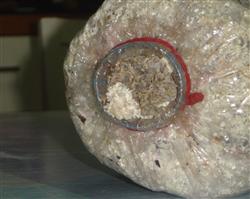
Whichever method is used, the basic process includes several stages: mixing the substrate and filling bags, high-temperature sterilization, aseptic inoculation, mycelium running (spawn running) and fruiting body management. During the mycelium running stage, the environment should be kept warm, dark and clean so that the mycelium fills the bags as quickly as possible. Once the fruiting stage begins, air humidity needs to be increased, along with appropriate ventilation and scattered light; insufficient ventilation tends to produce deformed caps.
When the edge of the Ganoderma cap turns from white to brown, stops expanding and begins to release spores, it indicates that it is mature and can be harvested. After harvesting, sun-dry or oven-dry it promptly for storage; alternatively, bags can be placed over the fruiting bodies during the fruiting stage to collect spore powder. The dried product can be sliced and steeped in water, used in soups, or supplied for medicinal material processing.
During cultivation, the key focus should be on preventing mold contamination; the substrate must be thoroughly sterilized, and the inoculation and mycelium running areas should be kept clean and hygienic. Fluctuations in temperature and humidity and improper ventilation will affect cap morphology and yield, so daily management should be kept as stable as possible, with timely adjustments made when abnormalities are found.
Related Reading