What Are Technical Grade Pesticides? Understanding the Characteristics and Uses of Pesticide Technical Materials in One Article
Technical grade pesticides refer to the primary products in pesticide manufacturing, commonly known as pesticide technical materials. They are produced by manufacturers through chemical synthesis, microbial fermentation, or extraction from natural substances, and contain a relatively high concentration of active ingredients, serving as the base raw material for processing various pesticide formulations.
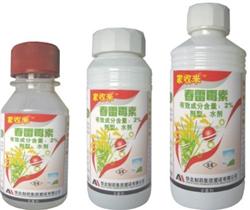
In terms of form, technical materials include both solid technical powders and liquid technical oils. They generally contain a small amount of impurities, have poor dispersibility and adhesion, and usually cannot be applied directly in the field. Instead, they must be combined with fillers and adjuvants and processed into formulations such as emulsifiable concentrates, wettable powders, suspension concentrates, and water-dispersible granules before use. Classified by source, technical materials can be divided into chemically synthesized technical materials and bio-based technical materials. For agricultural antibiotics such as kasugamycin, the technical material is obtained through microbial fermentation.
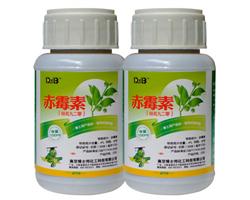
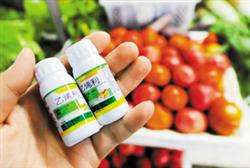
The quality of technical materials directly affects the efficacy and safety of formulations. During production, there are strict requirements for indicators such as active ingredient content, impurity limits, moisture, and pH. When farmers purchase pesticides, the active ingredient name and content stated on the label reflect the basic situation of the technical material used, and can serve as an important reference for judging product quality.
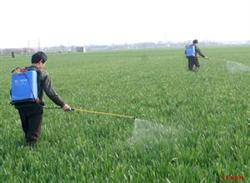
It should be noted that technical materials are highly concentrated and not easily dispersed. Using them directly not only makes it difficult to evenly cover the target but also easily causes phytotoxicity and waste. Whether technical materials or processed pesticide products, they should be stored sealed, away from light, and protected from moisture, kept away from grain, feed, and daily necessities. Personal protection should be taken during application to ensure safe use.
Related Reading