What are the application methods for plant growth regulators?
What application methods are there for plant growth regulators? Please give an introduction. Plant growth regulators are a class of substances with physiological and biological effects similar to those of plant hormones. Substances currently widely used in agricultural production for plant growth and development functions include auxins, gibberellins, ethylene, cytokinins, abscisic acid...
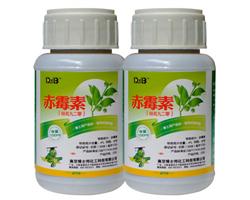
What application methods are there for plant growth regulators? Please give an introduction
Plant growth regulators are a class of substances with physiological and biological effects similar to those of plant hormones. Substances currently widely used in agricultural production for plant growth and development functions include auxins, gibberellins, ethylene, cytokinins, abscisic acid, brassinosteroids, salicylic acid, jasmonic acid and polyamines, etc. They are suitable for field crops, vegetables, fruit trees, flowers, forest trees, etc. Their characteristic is that by regulating physiological processes such as plant photosynthesis, respiration, substance absorption and transport, signal transduction, stomatal opening and closing, osmotic regulation and transpiration, they control plant growth and development and improve the interaction between plants and the environment. They not only enhance crop stress resistance, but also increase crop yield and agricultural product quality. They are deeply favored by the majority of farmer friends. The main application techniques are introduced as follows:
1. As a seed coating agent. It can be used as a special-purpose seed coating agent, wrapping it around the outside of seeds to form a film of a certain thickness. In addition to promoting seed germination, it can also achieve the purposes of preventing and controlling pests and diseases, increasing mineral nutrients and regulating plant growth.
2. Seed dressing. Seed dressing and seed coating are mainly used for seed treatment. When treating seeds with fungicides, insecticides, micro-fertilizers, etc., plant growth regulators can be appropriately added. Seed dressing is mixing the agent and seeds evenly so that the surface of the seeds is coated with the agent, such as spraying the agent onto the seeds with a sprayer, stirring evenly and then sowing. For example, dressing seeds with petroleum growth promoter can stimulate seed germination and promote rooting.
3. Soaking method. It is used for promoting rooting of cuttings, seed treatment, fruit ripening, storage and preservation, etc. For example, leafy woody cuttings can be placed in 5 to 10 ml/liter of indolebutyric acid, soaked for 12 to 24 hours, and then inserted directly into the seedbed. A quick dipping method can also be used, such as mixing naphthaleneacetic acid and talcum powder evenly at a ratio of 1 gram to 1000 grams, moistening the lower part of the cuttings with clean water, then dipping them in a little of the powder and inserting them into the seedbed. For storage and preservation, it can be used for fresh cut flowers. Soak the fresh flowers directly in 10 ml/liter of dinitrophenol solution and store them at a low temperature of 2°C to 5°C to extend the preservation period.
4. Solution spraying. Prepare the corresponding concentration as needed and spray the plants, requiring fine and uniform droplets, with the sprayed parts moistened as the standard. In order to make the agent easy to adhere to the plant surface, a small amount of emulsifier, such as neutral washing powder or surfactant and other auxiliary agents, can be added to the agent to increase its adhesion.
5. Soil irrigation. Prepare the plant growth regulator into an aqueous solution and directly irrigate it into the soil or apply it mixed with fertilizers, etc., so that the roots can fully absorb it. For potted flowers, the required amount of solution depends on the size of the plant and pot. Generally, a pot with a diameter of 9 to 12 cm requires 200 to 300 ml. To promote plant flowering and control the elongation growth of stems and branches, an aqueous solution of 0.1% to 0.3% succinamic acid and chlormequat can be used for irrigation.
Click to get more regulator application techniques
Click to get more pesticide application techniques