What are the functions and effects of kasugamycin?
What are the functions of kasugamycin? Which diseases can kasugamycin control? What should be noted when using kasugamycin? We ask knowledgeable netizens to help answer. Zhongdiwang has compiled the functions of kasugamycin and the diseases it can control, listed below for netizens' reference. Functions of kasugamycin: kasu...
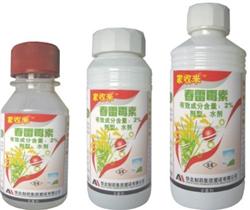 What are the functions of kasugamycin? Which diseases can kasugamycin control? What should be noted when using kasugamycin? We ask knowledgeable netizens to help answer.
Zhongdiwang has compiled the functions of kasugamycin and the diseases it can control, listed below for netizens' reference.
Functions of kasugamycin:
Kasugamycin is an agricultural antibiotic-type agent, generally in the form of colorless crystals. Products sold on the market include 2% aqueous solution and 2%, 4%, and 6% wettable powders.
The kasugamycin-producing bacterium is an actinomycete. It affects the protein synthesis of pathogenic bacteria, inhibits mycelial elongation and causes cell granulation, but has no effect on spore germination.
Diseases that kasugamycin can control:
It can effectively control rice blast, rice bacterial leaf blight, sorghum anthracnose, bacterial angular leaf spot, tomato leaf mold - gray mold, cucumber fusarium wilt - anthracnose - bacterial angular leaf spot, celery early blight, pepper bacterial scab, and others.
Precautions for kasugamycin:
Kasugamycin causes phytotoxicity to kidney beans, peas, soybeans, eggplant, and others, so it must be used with caution.
Safety interval of kasugamycin 2% aqueous solution:Rice No more than 3 applications Interval of 21 days
Tomato No more than 3 applications Interval of 4 days
Cucumber No more than 3 applications Interval of 4 days
Wheat No more than 1 application Interval of 7 days
Click to get more fungicide application techniques
Click to get more pesticide application techniques