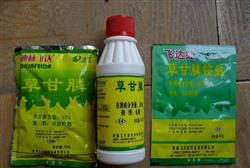
An Introduction to the Characteristics and Application Methods of Metolachlor Herbicide
Metolachlor is an amide selective herbicide and a soil-sealing treatment agent, mainly used for pre-emergence application to control weeds in the field. It is widely used in corn, soybean, peanut, cotton and some vegetable crop fields, and has good effect on annual grass weeds such as barnyardgrass, crabgrass, foxtail and goosegrass, and also has a certain inhibitory effect on some small-seeded broadleaf weeds.
In terms of mode of action, metolachlor mainly acts at the weed germination stage. After the agent is absorbed by young shoots and roots, it interferes with the normal growth of weeds, causing them to gradually die before or after emergence. Therefore, the timing of application is very critical, and it should generally be sprayed evenly on the soil surface after sowing and before weeds emerge. When soil moisture is good, the effect is easier to exert. If the weather is dry and the soil is dry, shallow incorporation into the soil can be done appropriately to improve the sealing effect.
When using, prepare according to the dosage recommended on the product label, spray evenly, avoid repeated spraying or missed spraying, and do not arbitrarily increase the dosage to avoid crop injury. After application, clean the spraying equipment in time and properly dispose of the remaining liquid. In fields with intercropping, relay intercropping or rotation, pay attention to the sensitivity of subsequent crops and arrange the application reasonably. Among similar products, there is also S-metolachlor, which is a highly active isomer of metolachlor with higher activity and relatively lower dosage, and is currently also widely used.
It should be noted that metolachlor is mainly for sealing, and its effect on older emerged weeds is limited. In production, it is often reasonably combined with agents for controlling broadleaf weeds to broaden the weed-killing spectrum. Before purchasing and using, farmers had better consult agricultural technicians based on local crop types, weed occurrence and climatic conditions, so as to use the pesticide scientifically, both protecting the crop and eliminating the weeds.
Related Reading