A Detailed Guide to the Classification, Characteristics and Scientific Use of Insecticides
Insecticides are a class of pesticides used to control insect pests. They can kill or repel pests through contact action, stomach poison, fumigation or systemic action, and are widely used for pest control in field crops, fruit trees, vegetables, flowers and storage environments, making them a common input in agricultural production.
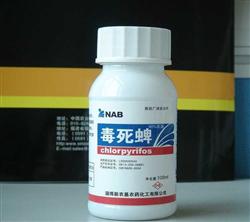
Classified by chemical composition and origin, insecticides mainly include organophosphates, carbamates, pyrethroids and nereistoxin derivatives, as well as plant-derived and microbial-derived types. The mechanism of action differs for each composition. The common chlorpyrifos belongs to the organophosphates, while the active ingredient of Kangkuan, chlorantraniliprole, has drawn growers' attention for its novel mode of action and good control effect against lepidopteran pests. As for formulations, there are emulsifiable concentrates, suspension concentrates, wettable powders, granules and others, and the method and rate of use vary with the formulation.
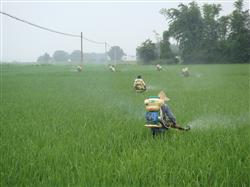
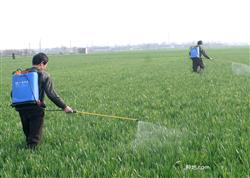
When using insecticides, choose the right product for the target pest and apply it at the right time, strictly control the concentration and dosage according to the instructions, and avoid blindly increasing the dose, which can cause phytotoxicity or excessive residues. Spraying is best done in the early morning or evening when there is no wind or only a light breeze, avoiding periods of high temperature and strong light, and personal protection such as a mask and gloves should be worn. Long-term use of a single product tends to make pests develop resistance, so it is advisable to rotate agents with different modes of action.
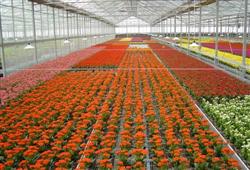
To improve control results, apply the product promptly when the pests are young, and spray evenly and thoroughly so that both the upper and lower surfaces of the leaves are covered. Before mixing several agents, first confirm that they can be mixed, and mix only what will be used immediately. In addition, the pre-harvest interval must be observed; for flowers and fruits and vegetables, choose low-toxicity, low-residue varieties as far as possible, so as to ensure control efficacy while taking into account food safety and environmental friendliness.
Related Reading