Cassava: Characteristics, Uses and Key Planting and Management Points
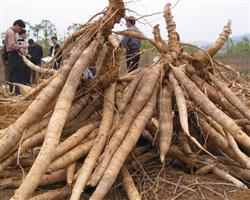
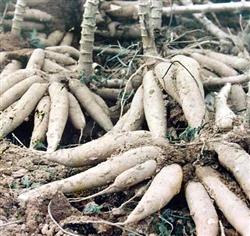
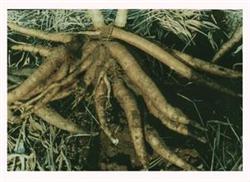
Cassava (Manihot esculenta) is an upright shrub in the genus Manihot of the spurge family (Euphorbiaceae), also known as the cassava tree. It is native to the tropical regions of South America, and today it is widely cultivated in tropical and subtropical regions around the world. Its main useful part is the underground tuberous root, which is spindle-shaped or cylindrical and rich in starch, making it an important food crop and industrial raw material crop in many regions.
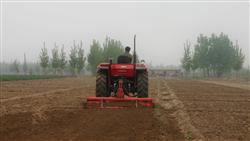
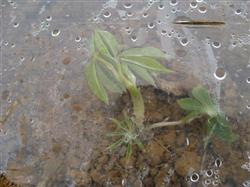
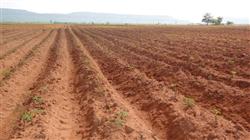
Cassava has strong drought tolerance and tolerance of poor, thin soils, and it does not demand much from the soil, so it can grow even on poor, barren slopes. For this reason, it is grown in large amounts in southern regions of China such as Guangxi, Guangdong, Hainan and Yunnan. For propagation, mature stem cuttings are mostly used, generally planted after temperatures warm up in spring. Once established, it grows fairly quickly, and field management is relatively extensive.
Cassava tuberous roots have a high starch content, and the cassava starch made from them through processing has a wide range of uses, involving many fields such as food, feed and industry. The pearls in the common pearl milk tea, as well as various types of vermicelli and glass noodles, are often made with cassava starch as the raw material.
It is particularly important to note that cassava tuberous roots contain cyanogenic glycosides, and eating them raw or processing them improperly can easily cause poisoning. Before eating, they should first be peeled, then fully soaked and thoroughly cooked, and they should not be eaten in excess. Never eat cassava raw.
When planting cassava, it is advisable to select robust seed stems and plant at a reasonable density, check for and fill in gaps in the seedlings in a timely manner during the seedling stage and thin them appropriately, and manage weeding, fertilizer and water well during the growing period, which helps increase yield. Cassava has a relatively long growing period, and it is usually harvested in the autumn and winter of the same year after the tuberous roots have fully expanded and matured.
Related Reading