Wild rhododendrons can be enjoyed, but they should not be eaten or dug up at will
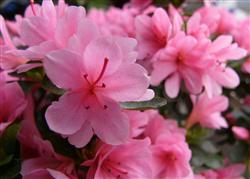
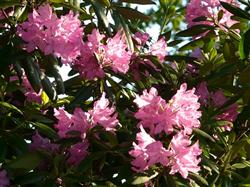
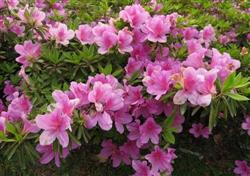
Wild rhododendrons are the collective term for plants in the genus Rhododendron that grow naturally in the mountains and countryside. They are mostly found on hillsides, at forest edges and in shrubland, blooming in spring, with flowers in many colors such as red, pink, white and purple. When they bloom in masses, they are highly ornamental. Wild rhododendrons are distributed across many mountainous areas of China, with the southwest region being especially rich in species.
From the standpoint of use, the main value of wild rhododendrons lies in their ornamental appeal; they are suited to viewing from a distance, photography and ecological tours, but they are not suitable for eating. Most plants in the genus Rhododendron contain toxic compounds, and the flowers and leaves should not be eaten, brewed as tea or used in cooking at will. Accidental ingestion may cause discomfort such as nausea and vomiting, so when you come across them in the wild, the safest approach is to admire them without picking them.
Although a few species have records of use in traditional folk medicine, all require professional processing and use under a physician's guidance. Ordinary people should not collect and take them on their own, nor should they readily trust folk remedies, to avoid safety risks.
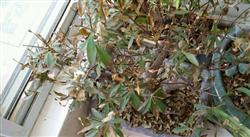
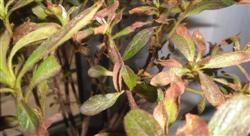
In addition, attention should be paid to legal and ecological issues. Some wild rhododendron species have been included in the list of key protected wild plants, and digging them up or transplanting them at will may violate relevant regulations. Even if a species is not on the protection list, plants dug up from the mountains often struggle to survive because of changes in environment and damage to their roots, and doing so also damages mountain vegetation.
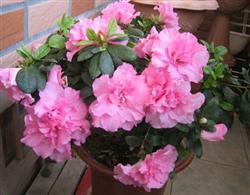
If you like rhododendrons, a safer approach is to buy artificially propagated seedlings through proper channels and grow them; with proper care, they can also bloom year after year. Overall, wild rhododendrons can be enjoyed, and artificially raised seedlings can be planted, but they are not recommended for eating, and certainly should not be dug up at will.
Related Reading