Key Cultivation Techniques and Field Management Methods for Wild Chrysanthemum
Wild chrysanthemum (Chrysanthemum indicum) is a perennial herbaceous plant of the genus Chrysanthemum in the Asteraceae family. It often grows wild on hillsides, roadsides and field edges, has strong adaptability, tolerates cold and drought, and is not strict about soil requirements. Its flowers can be used as medicine and also have a certain ornamental value. In recent years, many growers have developed it as a cash crop.
For planting wild chrysanthemum, it is advisable to choose fertile, loose sandy loam with good drainage. Before planting, plow the land deeply and apply sufficient base fertilizer. Propagation methods include direct seeding, cuttings and division; in production, seedling raising and transplanting are mostly used. After the seedlings grow to a certain height, they are planted at a reasonable density. During the seedling recovery period, pay attention to moisture retention and shading to improve the survival rate.
In terms of field management, during the growth period of wild chrysanthemum, frequent cultivating and weeding should be carried out to prevent weeds from competing for fertilizer and water. Water promptly in dry weather, and pay attention to drainage in the rainy season to prevent waterlogging and root rot. During the growing period, appropriate topdressing can promote the growth of branches and leaves. Before and after budding, supplement phosphorus and potassium fertilizer, which is beneficial for producing more flowers and better flowers. When necessary, pinch and top the plants to encourage more branching and increase flower yield.
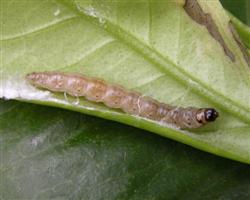
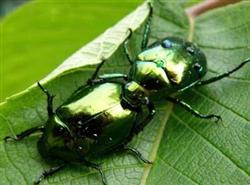
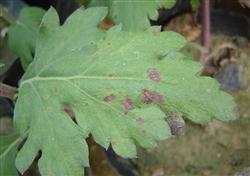
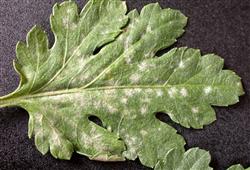
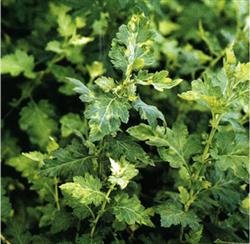
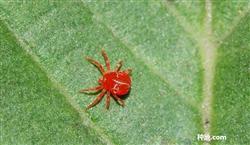
Pest and disease control is a key link in cultivation. Common diseases include powdery mildew and leaf blight, while insect pests include aphids, cotton bollworm and scarab beetles. For control, prevention should be given priority, with crop rotation and timely clearing of residual plants and fallen leaves in the field. At the early stage of disease onset, promptly use pesticides for control. For insect pests, physical trapping can be combined with chemical control to minimize pesticide residues and ensure flower quality.
Overall, wild chrysanthemum management is relatively extensive. As long as several links are handled well, including site selection, seedling raising, water and fertilizer management, and pest and disease control, a relatively good harvest can be obtained.
Related Reading