Key Points for Growing Chrysanthemums in Summer: Shading, Water Control, and Pest and Disease Prevention
The key points for growing chrysanthemums in summer mainly revolve around care under conditions of high temperatures, frequent rain, and strong sunlight. In summer, chrysanthemums are mostly in the vegetative growth stage, and the quality of management at this time directly affects the number and quality of flowers in autumn. As long as you pay attention to shading, water control, fertilizing, and disease prevention, the plants can safely make it through summer and lay a good foundation for the subsequent bud formation.
In terms of light and temperature, the midday sun in midsummer is intense. For plants grown in the ground, shade netting can be set up, and potted plants can be moved to a ventilated spot with scattered light to avoid scorching the leaves. At the same time, good ventilation must be ensured, as stuffy, hot, and humid conditions are most likely to induce diseases. Before the rainy season arrives, drainage ditches should be cleared in advance to prevent prolonged water accumulation at the roots from causing root rot.
In terms of water and fertilizer management, watering should be done in the early morning or evening, avoiding the high-temperature period at noon, and should follow the principle of watering when dry and not letting water accumulate. Fertilization should mainly use thin, decomposed liquid fertilizer. In the early stage, appropriately supplement nitrogen fertilizer to promote the growth of branches and leaves; in the later stage, gradually increase phosphorus and potassium fertilizer so that the stems become thick and strong and nutrients are stored for flowering, while avoiding excessive nitrogen fertilizer that causes leggy growth.
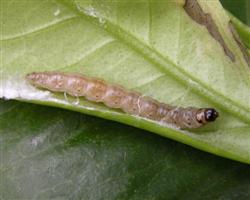
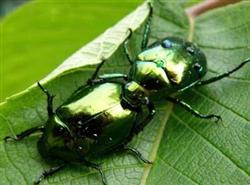
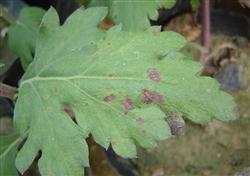
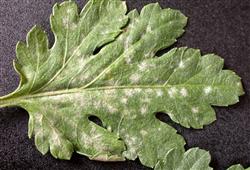
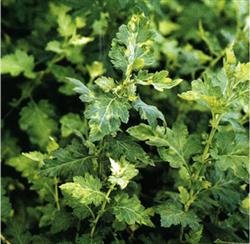
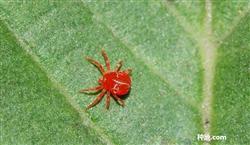
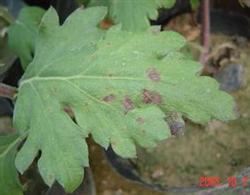
In summer, with high temperatures and high humidity, fungal diseases such as powdery mildew and leaf spot are prone to occur, and pests such as aphids, cotton bollworms, and scarab beetles also enter an active period. Usually, diseased leaves should be removed promptly, weeds and leftover plant debris should be cleared away, and ventilation and light penetration between plants should be maintained. Once pest activity is found, spray pesticides as early as possible to control it. In addition, timely pinching and topping can promote branching and control plant shape, making the flowers in autumn more numerous and more uniform.
Related Reading