Japanese classical chrysanthemum varieties have distinctive characteristics, and their cultivation and care require careful methods
Japanese classical chrysanthemums refer to the traditional chrysanthemum varieties and cultivation systems that have been selected and bred in Japan over a long period and passed down to the present day. Chrysanthemums were introduced to Japan from China very early on, and through continuous improvement by local gardening enthusiasts, they gradually developed unique flower forms and aesthetic styles. These chrysanthemums hold a lofty status in Japan and are often used in autumn chrysanthemum exhibitions and various celebrations, regarded as symbols of nobility and longevity.
According to flower form and school, Japanese classical chrysanthemums roughly include traditional lines such as Edo chrysanthemum, Ise chrysanthemum, Mino chrysanthemum, and Higo chrysanthemum. Among the large-flowered types are the thick-petaled type with layer upon layer of petals, the tube type with slender tubular petals, and the single elegant flat-petaled type known as ichimonji-zaki, while small-flowered types are mostly used for cascade styles and combination potted plants. Different lines have their own particular requirements in petal form, flowering habits, and pruning methods.
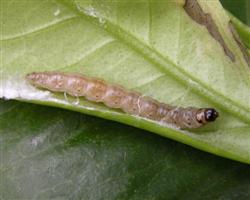
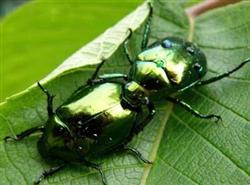
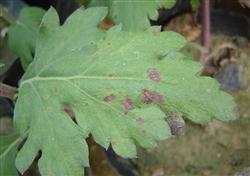
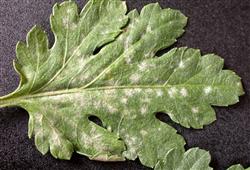
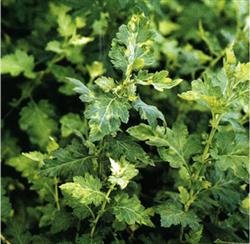
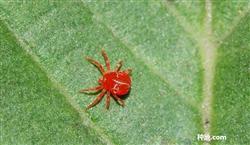
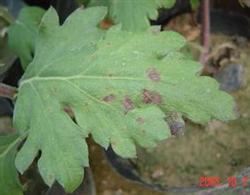
In cultivation, Japanese classical chrysanthemums are known for meticulous care, commonly using a training method of one flower per plant or several flowers per plant, requiring timely pinching, removal of side buds, and excess flower buds so that nutrients are concentrated in the main flower. During the growing period, adequate light and a reasonable supply of water and fertilizer must be ensured, and in the later stage, supports must be set up and flower stems tied and fixed to prevent lodging. Like ordinary chrysanthemums, they are also susceptible to pests such as aphids and cotton bollworms, as well as diseases such as powdery mildew and viral diseases, so daily management should focus on prevention and prompt treatment once problems are found.
As traditional famous flowers with extremely high ornamental value, Japanese classical chrysanthemums are not only suitable for courtyard cultivation and exhibition judging, but also provide rich germplasm resources for modern chrysanthemum breeding. Their unique flower forms and rigorous cultivation techniques reflect the development and integration of chrysanthemum culture in different regions, and they are deeply loved by flower-growing enthusiasts.
Related Reading