Macheng azaleas are the famous native azalea flower sea of Guifeng Mountain
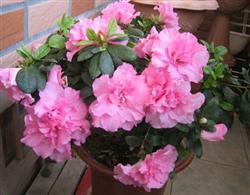
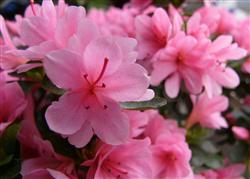
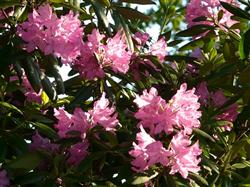
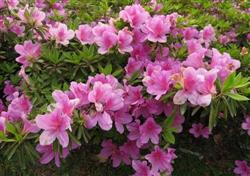
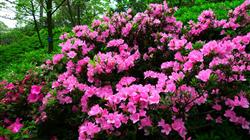
Macheng azaleas generally refer to the wild azaleas blooming within the territory of Macheng City, Hubei Province, among which the native azalea community in the Guifeng Mountain scenic area is the most famous. Every year between April and May, the red azaleas bloom in continuous patches along the mountain ridges, turning the whole mountain red and forming a spectacular natural azalea flower sea, which is also the most renowned flower-viewing landscape of the local spring.
In terms of varieties, Macheng azaleas are mainly red azaleas (Rhododendron simsii), belonging to the Ericaceae family as deciduous or semi-evergreen shrubs. They prefer a cool and humid climate and acidic soil, and mostly grow on hillsides and ridges at relatively high altitudes. The azalea plants on Guifeng Mountain are dense, with a relatively long tree age, a large continuous distribution scale, and a concentrated viewing period, so Macheng also has long enjoyed the reputation of the City of Red Azaleas.
Beyond viewing, Macheng azaleas have also boosted the local flower-viewing tourism. During the blooming season, a large number of tourists climb the mountain to enjoy the scenery and take photos as souvenirs, gradually forming a azalea culture with unique local characteristics, and also making this natural flower sea a calling card for spreading Macheng's fame.
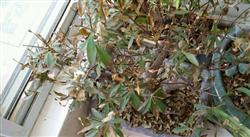
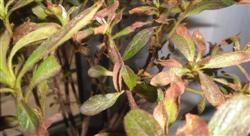
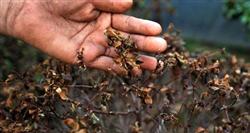
When growing azaleas at home, one can refer to their native habits: choose loose, fertile acidic soil, place them in a semi-shaded and well-ventilated environment, water them by the principle of watering when dry and letting them dry between waterings, and avoid waterlogging that causes root rot. During the growing season, apply thin fertilizer frequently, and appropriately supplement phosphorus and potassium fertilizer after flowering, which helps produce more flowers the following year. If leaves turn yellow and fall off or spots appear on the leaf surface, it is mostly related to improper water and fertilizer management or infection with leaf spot disease. It is necessary to ventilate in time, remove diseased leaves, and treat the symptoms accordingly, so that the plant can maintain its growth and bloom all over its branches year after year.
Related Reading