Five preventive measures for chrysanthemum planting and care: robust growth and good flowering
The Five Preventives are a commonly used management practice in chrysanthemum planting and care, referring to focusing on guarding against five types of adverse factors during cultivation, usually including preventing waterlogging, preventing drought, preventing pests and diseases, preventing lodging, and preventing cold and freezing. Climate and cultivation methods differ from region to region, so the specifics can be adjusted flexibly, but the core is always prevention in advance and reducing losses.
Preventing waterlogging and preventing drought are the foundation of water management. Chrysanthemums like moisture but fear standing water; during the rainy season, clear the trenches and drain promptly to prevent the roots from being soaked for a long time and rotting; during prolonged drought, replenish water in the morning and evening, and when watering, water thoroughly, avoiding soil that alternates between dry and wet, which affects growth.
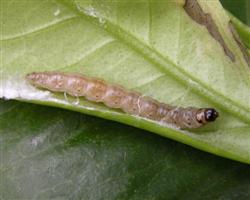
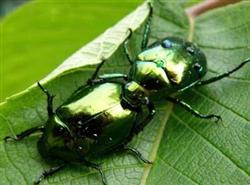
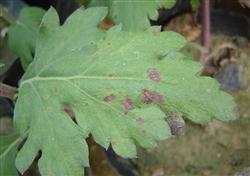
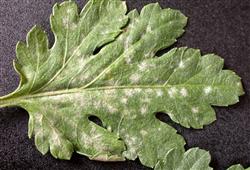
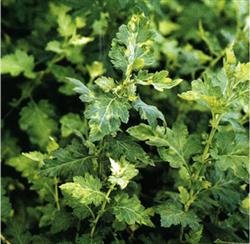
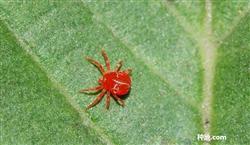
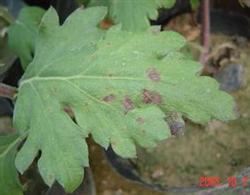
Pest and disease control is the key point among the Five Preventives. Common insect pests include cotton bollworm, scarab beetles, and aphids, which mostly bite and feed on flower buds and leaves; diseases commonly include powdery mildew, viral diseases, and brown spot. Usually maintain ventilation and light between plants, promptly remove diseased leaves and leftover plant debris, and after discovering an insect infestation or disease spots, take targeted measures as early as possible to control their spread.
Preventing lodging and preventing cold are equally not to be ignored. Chrysanthemum stems are relatively tall, and after budding the plant is top-heavy, so lodging can be reduced by pinching, controlling water, and setting up supports; as temperatures drop in late autumn and early winter, ground-planted chrysanthemums can be protected with mounded soil and mulch, while potted ones can be moved to a sunny, wind-sheltered spot to help the plants overwinter safely.
Master the key points of the Five Preventives, and with reasonable fertilizing and pruning, chrysanthemums will grow noticeably more robustly, and flowering quality will be better guaranteed. During care, observe more and prevent early, which is often more labor-saving and effective than remedying afterward.
Related Reading