Chrysanthemum Rust: Key Points for Control Methods and Identification of Disease Symptoms
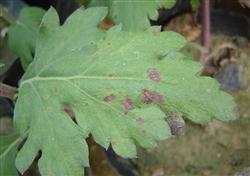
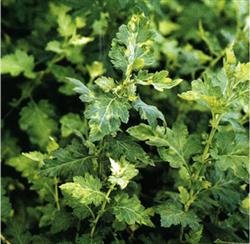
Chrysanthemum rust is a common fungal disease in chrysanthemum cultivation, mainly affecting the leaves. In the early stage of the disease, pale yellow small spots appear on the underside of the leaves, which then bulge to form rust-brown or orange-yellow powdery spore masses. In severe cases, lesions also appear on the upper surface of the leaves, causing the leaves to turn yellow, curl, wither and drop, affecting the growth and ornamental value of chrysanthemums.
The pathogen prefers a warm and humid environment, and spreads easily during rainy seasons, with excessive watering, poor ventilation or overly dense planting. The pathogen spores can spread with airflow and rainwater, and the pathogen on diseased residues can also overwinter in the soil or on plant residues, becoming the primary infection source for the disease in the following year.
For control, prevention should be the main approach, combined with cultivation management and chemical treatment. Select disease-free and robust seedlings, plant at a reasonable density, and maintain ventilation and light transmission between plants; avoid wetting the leaves when watering, and drain water promptly after rain to reduce humidity; remove diseased leaves promptly and burn or bury them deeply in a centralized manner, and remove residual branches and fallen leaves from the field in winter to reduce overwintering sources of the pathogen.
In the early stage of the disease, fungicides such as triadimefon and mancozeb can be sprayed for control, spraying once about every ten days, for two to three consecutive applications. Note to rotate the chemicals to avoid the pathogen developing resistance. When spraying, both the front and back sides of the leaves should be sprayed evenly for a more ideal control effect.
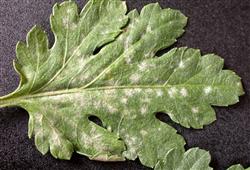
It should be noted that rust is easily confused with powdery mildew. Powdery mildew lesions are mostly white powdery mold layers, mainly appearing on the leaf surface, while rust is characterized by rust-colored blister-like protrusions on the underside of the leaves. Only after accurate identification and targeted medication, while persisting with daily inspections and early detection and early treatment, can the spread of rust be effectively controlled.
Related Reading