The trick to making chrysanthemums bloom in all four seasons is good management of light, water, fertilizer and pruning
The chrysanthemum is a classic short-day plant, and under natural conditions it usually blooms in autumn when the daylight hours grow shorter. What is called blooming in all four seasons does not mean the chrysanthemum is naturally able to open all year round; rather, by combining different varieties and regulating the environment, its light requirements are met or altered artificially, so that the plant can still form buds and bloom normally outside its natural flowering season.
Variety selection is the foundation. Among chrysanthemums there are traditional types such as autumn chrysanthemums and winter chrysanthemums, as well as varieties that are not sensitive to day length and can bloom in multiple seasons. To have flowers to enjoy all year, you can plant a mix of varieties with different flowering periods, and with the help of regulation techniques, let them take the stage in turn.
Light regulation is the key step. For strongly short-day varieties, shading before the intended flowering time shortens the daily light period and can bring flowering forward; conversely, supplementing light in the evening or at night can delay flower bud differentiation and push the flowering period back. At the same time, maintain a suitable temperature, and keep the plants warm and protected from cold in winter, so that flower bud differentiation and flower bud development proceed more smoothly.
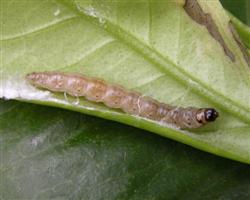
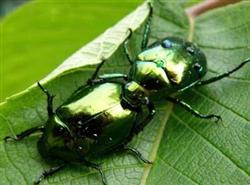
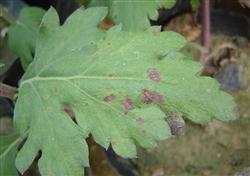
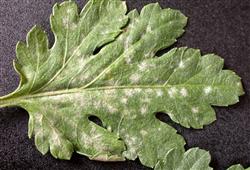
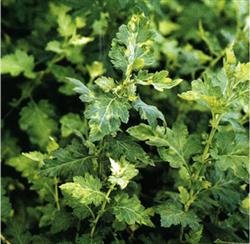
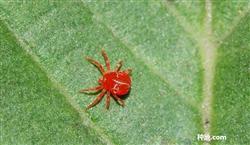
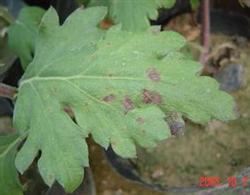
Routine care must not be neglected either. Pinching out the growing tips at the right time during the growing season promotes branching and increases the number of flowers; applying more phosphorus and potassium fertilizer and less nitrogen fertilizer before bud formation helps the flowers grow large and brightly colored. In addition, chrysanthemums are easily troubled by pests such as aphids and cotton bollworm, as well as diseases such as powdery mildew and viral disease; once found, treat them promptly with the right remedy and keep the environment well ventilated. Only when the plants are strong and healthy can year-round flowering be guaranteed.
Related Reading