Key Techniques for Chrysanthemum Cutting Propagation and Care Management Methods
Chrysanthemum cutting propagation is a common asexual propagation method that uses chrysanthemum branches as propagating material and cultivates new plants through cuttings. Chrysanthemums are highly adaptable, their stem sections readily sprout adventitious roots, the survival rate of cuttings is relatively high, and they fully retain the varietal characteristics of the mother plant, so this method is widely used both for home flower growing and for field seedling cultivation.
The most suitable time for cuttings is late spring to early summer or autumn when the temperature is mild, as branch growth is active at these times and rooting is faster. Cuttings should be taken from vigorous young shoots free of pests and diseases, generally cut to a length of about ten centimeters, retaining two or three leaves at the tip while removing all the lower leaves; a smooth diagonal cut is best, and if conditions permit, dipping the cut end in rooting powder can promote root development.
The cutting medium should be loose, breathable, and well-draining; river sand, vermiculite, or perlite are commonly used, and sandy garden soil can also be used. After inserting the cuttings, water thoroughly and keep them in a semi-shaded, ventilated spot, keeping the medium moist but not waterlogged and avoiding direct strong sunlight. When the temperature is suitable, the cuttings generally root in about two to three weeks, and after new leaves emerge, light exposure can be gradually increased.
After rooting and surviving, the plants should be transplanted promptly into fertile, loose potting soil; after they recover from transplanting, give them ample light and pay attention to pinching and topping to encourage more branching and more flowers. Water and fertilize reasonably during the growing period, and during the rainy season take care to drain water and prevent waterlogging to avoid root rot.
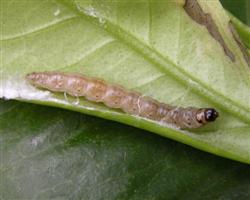
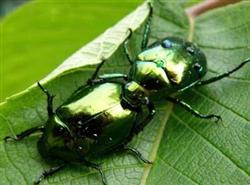
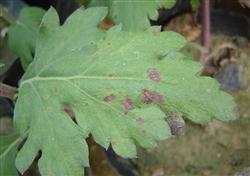
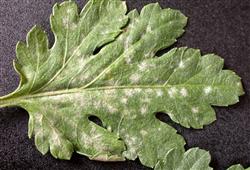
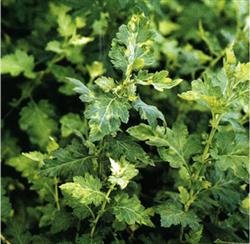
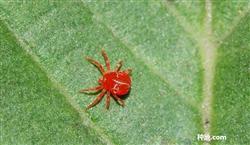
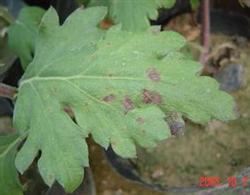
A common problem during the cutting period is cutting rot, mostly caused by overly wet medium and poor ventilation; this can be prevented by controlling watering and disinfecting the medium in advance. After the chrysanthemum seedlings survive, attention should also be paid to controlling common pests and diseases such as aphids, cotton bollworm, scarab beetles, powdery mildew, and viral diseases. Remove diseased leaves and insect-infested branches promptly to ensure healthy plant growth.
Related Reading