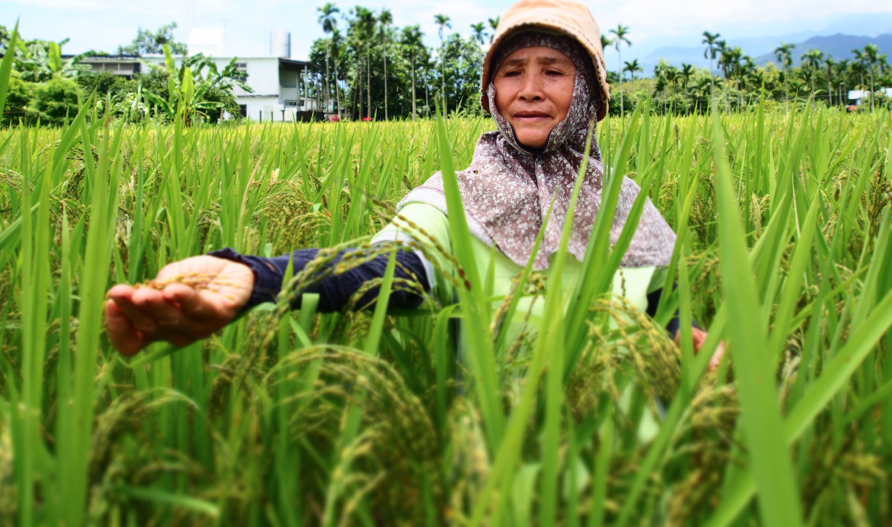
Red millet pictures and nutritional value, how many times a year it is planted, and which month it is harvested
Red millet, commonly known as red glutinous rice, is a native Taiwanese grain crop and a crop closely tied to Amis culture; growers usually keep strong seeds for planting. It belongs to upland rice and grows about 160-180 cm tall when mature. Red millet contains a large amount of carotene and
Red millet, commonly known as red glutinous rice, is a native Taiwanese grain crop and a crop closely tied to Amis culture; growers usually keep strong seeds for planting. It belongs to upland rice and grows about 160-180 cm tall when mature. Red millet contains a large amount of carotene and iron, has 1.2 times the protein of brown rice, 12.5% more dietary fiber than brown rice, and is rich in minerals such as potassium, calcium, iron and zinc as well as B vitamins. Its cultivation method is similar to the cultivation method for rice.
It is grown once a year and harvested every July. Cultivation and management are difficult, and yields are not abundant. Half is kept for seed and half is eaten, so it is brought out to eat only at celebrations or weddings. It is suitable for stewing with chicken as a nourishing food or for making red glutinous rice wine.
Duni, who is over 60 years old, followed the elders in planting rice when young. The seeds were all left behind by the elders in the mountains, and for the 40 years since then Duni has saved seed and raised seedlings himself, ensuring the seedlings are strong and pure. To avoid wild boars, muntjacs, monkeys and other animals in the mountains stealing and eating them, the crop was moved to flat land for planting. Red millet is afraid of fertilizer, so Duni applies fertilizer only once when the rice seedlings are small, ensuring they can grow strong; after harvest, most is eaten by the family or shared with friends.
Duni patrols the field and weeds every day, so the red millet looks strong and full of vitality. Ina's produce is mainly for her own family to eat, so it is absolutely safe. So we sought out red millet, hoping to share this care.