How to Control Cotton Bollworm on Chrysanthemums and Key Points for Integrated Management
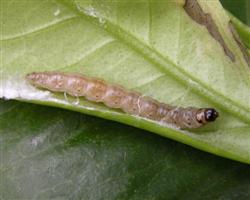
The cotton bollworm is one of the common pests during the growth of chrysanthemums. Its larvae mainly chew on tender leaves, flower buds and petals, causing holes or notches, and in severe cases they hollow out the buds, directly affecting flower quality and ornamental value. During the day the larvae mostly hide inside the plant or in the buds, and they feed in the evening and early morning; because they are highly concealed, careful observation is needed in daily care to spot them in time.
For control, you can start with agricultural measures. Deep plowing the soil before planting can destroy the pupae that overwinter in the soil; during the growing season, promptly clear weeds and leftover plant debris and fallen leaves from the field to reduce the buildup of pest sources. Combined with routine inspections, when you find chewed leaves or insect droppings, you can handpick the larvae; when the pest numbers are not large, this method is quite effective.
Physical and biological control can also play a very good supporting role. Adult cotton bollworms are phototactic, so insect-killing lamps can be hung in the field to trap and kill the adults and reduce egg laying; at the same time, take care to protect natural enemies such as parasitic wasps and green lacewings, and biological agents such as Bacillus thuringiensis can also be used, which have a good inhibitory effect on young larvae and are more beneficial to the ecological balance in the field.
For chemical control, seize the key timing, preferably when the larvae are young and have not yet bored into the buds, since at this stage the larvae have weak resistance and more chances to contact the spray. When spraying, aim for even and thorough coverage, focusing on the buds and tender shoot tips, and pay attention to rotating different types of pesticides to delay the development of resistance. Before use, read the instructions carefully and observe the pre-harvest interval; as the flower-picking or display period approaches, use chemical pesticides as sparingly as possible to ensure flower quality and safety.
Related Reading