Control methods for chrysanthemum vein mottling disease include selecting healthy seedlings, controlling aphids, and handling diseased plants
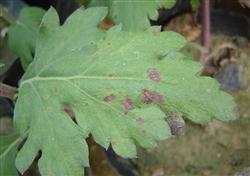
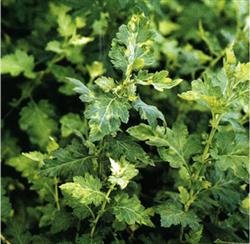
Chrysanthemum vein mottling disease is a common viral disease on chrysanthemums, caused by infection with a related virus. On infected plants, the leaves show mottled yellow-green chlorosis along the veins, with uneven shading near the veins; the diseased leaves are slightly wrinkled and uneven, the plants gradually weaken in growth, the flowers become smaller and paler, and their ornamental value drops noticeably.
The virus is mainly spread with virus-carrying propagation materials such as seedlings and cuttings, and can also be transmitted through sap contact; aphids and other piercing-sucking pests are important virus vectors. During field operations such as pruning, pinching and disbudding, if tools or hands are contaminated with the sap of diseased plants, the virus can easily be passed to healthy plants.
Prevention should be the main approach to controlling chrysanthemum vein mottling disease, and seedling selection is the first checkpoint. When planting, choose virus-free healthy seedlings or virus-free (detoxified) seedlings, and do not collect cuttings or division material from diseased plants, so as to reduce the hidden risk of virus carryover at the source.
During the growing season, focus on controlling aphids and apply pesticides promptly according to pest conditions to cut off the transmission route. Once diseased plants are found, they should be pulled out immediately and taken out of the growing area for centralized destruction; do not merely pick off the diseased leaves and leave them in place, lest the virus continue to spread.
In routine management, pruning tools can be wiped with soapy water or disinfectant before use, and during operations try to handle healthy plants first and suspect plants afterward. At the same time, water and fertilize reasonably, appropriately increase phosphorus and potassium fertilizer, strengthen the plants' disease resistance, and keep the nursery well ventilated and well lit to create an environment unfavorable to the disease.
Related reading