Control Methods for Chrysanthemum Gray Mold and Key Points for Routine Care
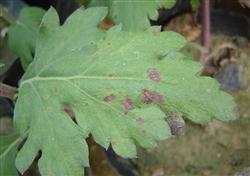
Chrysanthemum gray mold is a common fungal disease in chrysanthemum cultivation, mainly caused by infection with Botrytis cinerea, and it occurs most often on petals, leaves and tender stems. In the early stages of the disease, water-soaked spots appear on the affected parts, which then turn brown and soft-rot; when humidity is high, a layer of gray mold also grows on the surface, and the ornamental value of the flowers and leaves drops noticeably.
This disease favors low-temperature, high-humidity environments, and it spreads most easily under poor ventilation, overly dense planting, excessive watering or prolonged rainy weather. If a greenhouse or shed is not ventilated for a long time and dew forms heavily at night, the pathogen spreads even faster, so extra attention is needed.
For control, prevention should be the main approach, combined with routine management. Diseased flowers and leaves should be removed promptly and taken out of the field for disposal, so that leftover plant debris does not remain in the soil and become a source of infection; when planting, use a reasonable density and keep the space between plants well ventilated and exposed to light; water along the soil surface as much as possible rather than splashing it on flowers and leaves, and inside the shed also pay attention to controlling humidity and ventilating in good time.
Chemical control is best carried out in the early stages of the disease. Fungicides targeting gray mold, such as procymidone and pyrimethanil, can be selected, diluted according to the instructions and sprayed evenly, and care should be taken to rotate the chemicals to prevent the pathogen from developing resistance. Usually avoid applying too much nitrogen fertilizer, and supplement phosphorus and potassium fertilizer appropriately; when the plants grow strong, their disease resistance will naturally be stronger as well.
Related Reading