An Introduction to Chrysanthemum Types: A Guide to Common Chrysanthemum Variety Classifications
The chrysanthemum is a perennial herbaceous plant of the genus Chrysanthemum in the family Asteraceae, and it is also one of China's traditional famous flowers, with a long history of cultivation. Through long-term selective breeding, chrysanthemum varieties have become extremely rich, differing in flower color, flower form and flowering period, and they are widely used in landscaping, potted ornamental display and cut flower production.
Divided by flowering period, chrysanthemums can be classified into summer chrysanthemums, autumn chrysanthemums and cold chrysanthemums, among which autumn chrysanthemums are the most common, mostly blooming in autumn, while cold chrysanthemums can bloom even later. Divided by flower size, there are large chrysanthemums, medium chrysanthemums and small chrysanthemums; small chrysanthemums have small but densely packed flowers and are often used to plant flower beds or create shaped displays.
Divided by petal form, chrysanthemums can generally be classified into flat petals, spoon petals, tubular petals, cassia petals and irregular petals, which give rise to various flower forms such as spherical, rosette and flying. In terms of flower color, besides the common yellow, white and red, there are also purple, pink, green and various bicolor varieties, with very high ornamental value.
Besides ornamental varieties, there are also a number of types among chrysanthemums that serve both medicinal and culinary purposes, such as Hangbaiju and Gongju, which are often used for brewing tea or as medicine, with a delicate fragrance, and are quite popular. The cultivation methods for this type of chrysanthemum are similar to those for ornamental chrysanthemums, but the requirements for flower quality are higher.
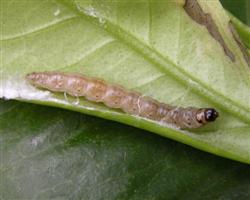
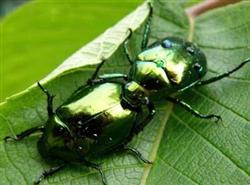
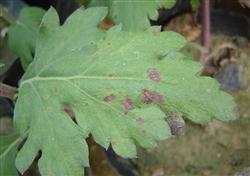
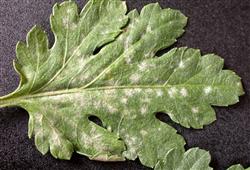
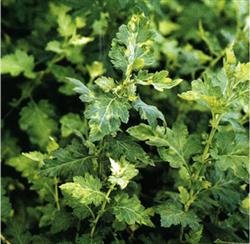
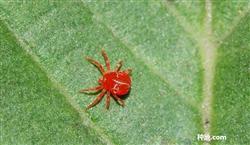
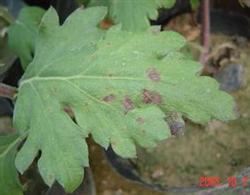
Chrysanthemums prefer a cool climate and sufficient light, and they dislike waterlogging. During the growing period, water and fertilizer management should be done well, and the growing tips should be pinched in time to promote branching, so as to increase the number of flowers. At the same time, attention should be paid to preventing and controlling common pests and diseases such as aphids, cotton bollworms, powdery mildew and viral diseases. Timely treatment upon discovery will allow the plants to grow robustly and bloom abundantly.
Related Reading