The growth characteristics of chrysanthemums are the foundation of scientific cultivation
The chrysanthemum is a perennial herbaceous plant with persistent roots in the genus Chrysanthemum of the family Asteraceae, and it is also one of China's traditional ornamental flowers. Its stems are upright and much branched, and its leaves are alternate and deeply pinnately lobed. What we usually see as a chrysanthemum is actually a flower head, formed by many small florets densely arranged together, and both the flower forms and flower colors are very rich.
In terms of growth habits, chrysanthemums prefer a cool climate and have a certain degree of cold tolerance, but they fear high temperatures and intense summer heat; when the temperature is too high, the branches and leaves tend to grow excessively and become weak. They are also typical short-day plants: flower buds can only differentiate and form under the shortening-day conditions of autumn, so most varieties bloom in autumn, and in production, shading or supplemental lighting is often used to regulate the flowering period.
Chrysanthemums like an environment with ample light and good ventilation. They enjoy moisture but cannot tolerate waterlogging, and long-term waterlogging easily causes root rot. They are not demanding about soil, and loose, fertile, well-drained sandy loam is most suitable. During the growing period, they need a relatively large amount of fertilizer, especially during the vigorous growth of branches and leaves and the bud stage, when the supply of water and fertilizer must be kept sufficient.
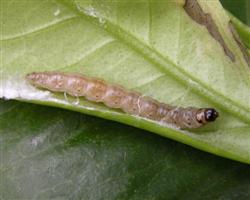
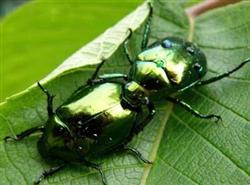
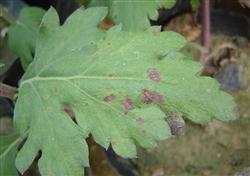
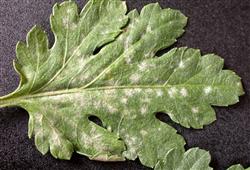
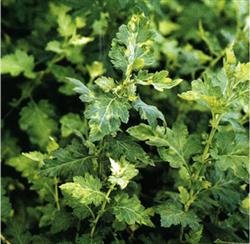
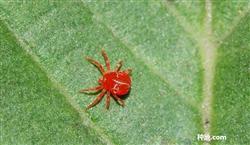
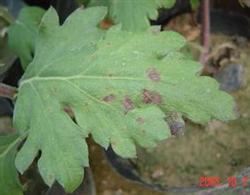
Chrysanthemums have a relatively strong ability to produce tillers and branches. Proper pinching during the growing period can promote side branches, making the plant shape full and the flowering abundant. At the same time, because the branches and leaves are dense, chrysanthemums are prone to diseases such as powdery mildew and viral diseases, and are also often troubled by pests such as aphids, cotton bollworms, and scarab beetles. When planting, it is necessary to combine their growth characteristics with good ventilation and humidity control and water and fertilizer management, and to promptly prevent and control diseases and pests, so as to grow robust plants.
Related Reading