Winter Care Tips for Potted Osmanthus: Keep It Warm and Control Watering for a Safe Winter
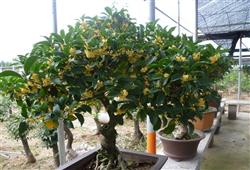
Potted osmanthus (Osmanthus fragrans) is a common household ornamental plant grown from osmanthus in containers. It stays evergreen year-round and produces a rich fragrance when it blooms in autumn. Osmanthus itself prefers a warm, humid climate, and plants grown in the ground have fairly good cold resistance, but when grown in pots the roots are confined within the container and are more vulnerable to freezing at low winter temperatures, leading to yellowing leaves, dry leaf tips and even leaf drop. Care and management after the onset of winter are therefore crucial.
Winter care begins with keeping the plant warm and ensuring good light. Once temperatures drop, the pot should be moved indoors or into an enclosed balcony, keeping the ambient temperature no lower than 5 degrees if possible. Brief light frosts can be tolerated, but prolonged freezing easily causes cold damage. Osmanthus loves light, and winter sunlight is gentle, so it is best placed on a south-facing windowsill or balcony to let the plant receive plenty of sun. This both raises the soil temperature in the pot and helps the branches mature, strengthening cold resistance.
Water and fertilizer must be strictly limited. In winter osmanthus grows slowly and is in a semi-dormant state, so watering should follow the principle of keeping it dry rather than wet. Wait until the potting soil is clearly dry, then add a small amount of water, keeping it slightly moist and on the dry side. Never let water accumulate, which causes root rot. Fertilizing should also be stopped to prevent newly forced shoots from being damaged by frost. If fertility needs to be replenished, apply a single dose of well-rotted organic fertilizer as a base fertilizer before winter sets in.
In addition, when grown indoors with poor ventilation and dry air, pests such as scale insects and red spider mites are prone to breeding, so windows should be opened regularly for ventilation and the undersides of leaves checked for changes. Before winter arrives, dead branches, weak branches and overly dense branches can also be pruned back appropriately to reduce nutrient consumption and keep the plant's shape attractive. Once temperatures rise steadily the following spring, gradually move the pot outdoors and resume normal care.
Related Reading