Dabie Mountain azaleas are a natural sea of flowers that bloom across the mountains in spring
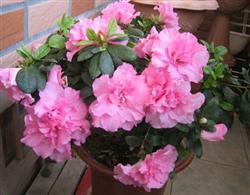
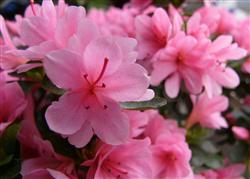
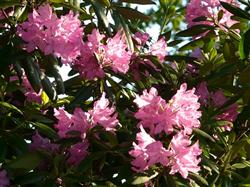
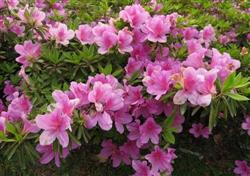
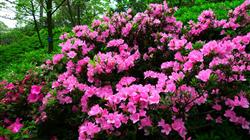
Dabie Mountain azaleas broadly refer to the wild azaleas growing in the Dabie Mountain area, the most common of which is the red azalea (Rhododendron simsii). Every year between April and May, the azaleas bloom in dense patches along the slopes and ridges, dyeing the continuous mountain massifs red, making it one of the most striking natural sights of spring in the region.
In terms of form, Dabie Mountain azaleas are mostly deciduous or semi-evergreen shrubs, with plants ranging in height from 1 m to 2 or 3 m, alternate leaves, and funnel-shaped corollas that often cluster several together at the tips of the branches. They favor a warm, humid, semi-shaded environment and grow best in loose, acidic soil, and are mostly found under sparse forests at higher elevations, among thickets, or beside rock crevices along ridges.
Besides the familiar red Rhododendron simsii, the Dabie Mountain area is also home to a variety of other Rhododendron species, such as Rhododendron mariesii and Rhododendron fortunei. Their flower colors include red, pink and white, and their blooming periods differ slightly, which extends the season for enjoying the wild mountain flowers in spring. In some areas, continuous stands of old azalea communities remain, with thick, sturdy plants and large community scale, making their ornamental value especially outstanding.
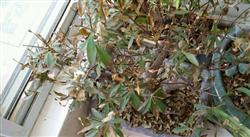
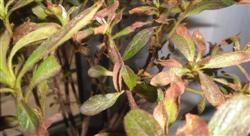
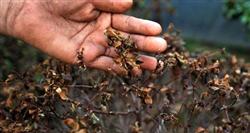
In terms of use, Dabie Mountain azaleas are both an important spring ornamental and tourism resource, and also suitable for introduction and cultivation in courtyards and gardens. For home care, it is best to use loose, fertile, acidic soil and place the plant in a ventilated, semi-shaded spot. Water by letting the soil dry before watering again and avoid waterlogging. During the growing season, apply light fertilizer frequently, and promptly remove spent flowers after blooming. This helps reduce problems such as leaf spot disease and leaf drop, allowing the plant to bloom abundantly year after year.
Related Reading